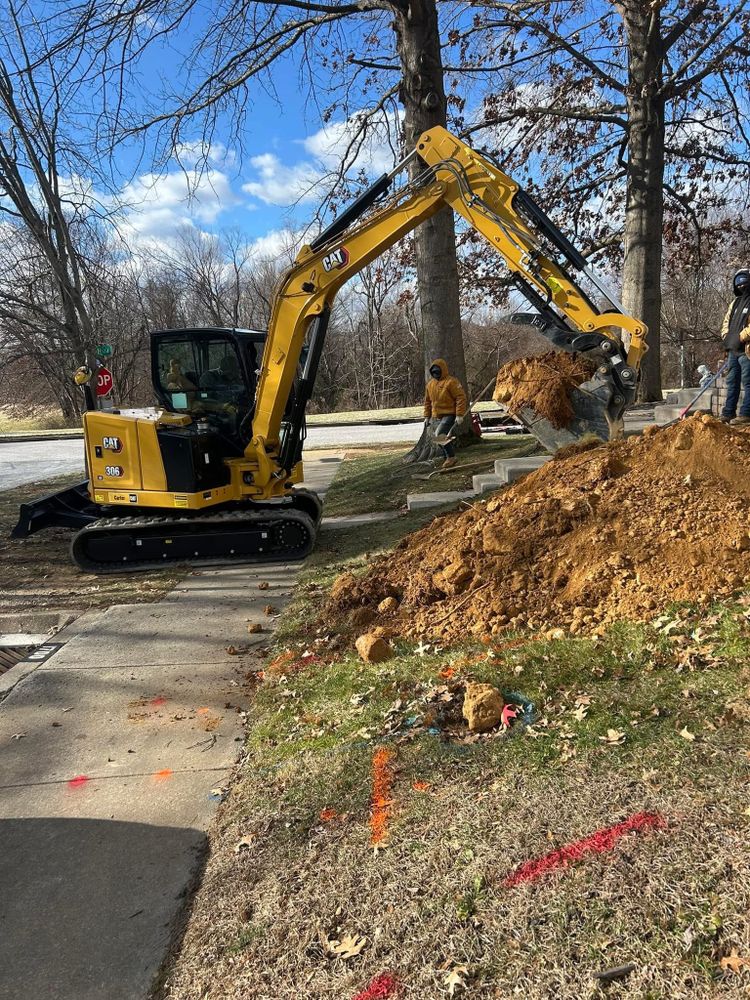
Smart drainage, vigilant monitoring, and responsive service keep Sump pump homes and businesses dry year-round.
Sump pump residents know that life along the Chesapeake means embracing four distinct seasons, tidal moisture, and sudden downpours that can overwhelm basements in minutes. While a reliable sump pump system keeps groundwater at bay, the hidden network of water lines running beneath lawns, driveways, and shop floors often determines whether that pump faces a manageable trickle or a full-on flood. The secret to a dry, comfortable property in Sump pump is treating water line care and sump pump maintenance as two halves of the same strategy.
Consider how often neighborhoods in Sump pump see freeze-thaw cycles that expand and contract clay-rich soil. Those subtle shifts can stress buried pipes, creating hairline cracks that let in silt and groundwater. When that excess water reaches your sump basin, the pump works overtime, shortening its lifespan and raising energy costs. Proactive owners schedule annual water line inspections alongside sump pump tune-ups, ensuring both systems stay synchronized before spring rains arrive.
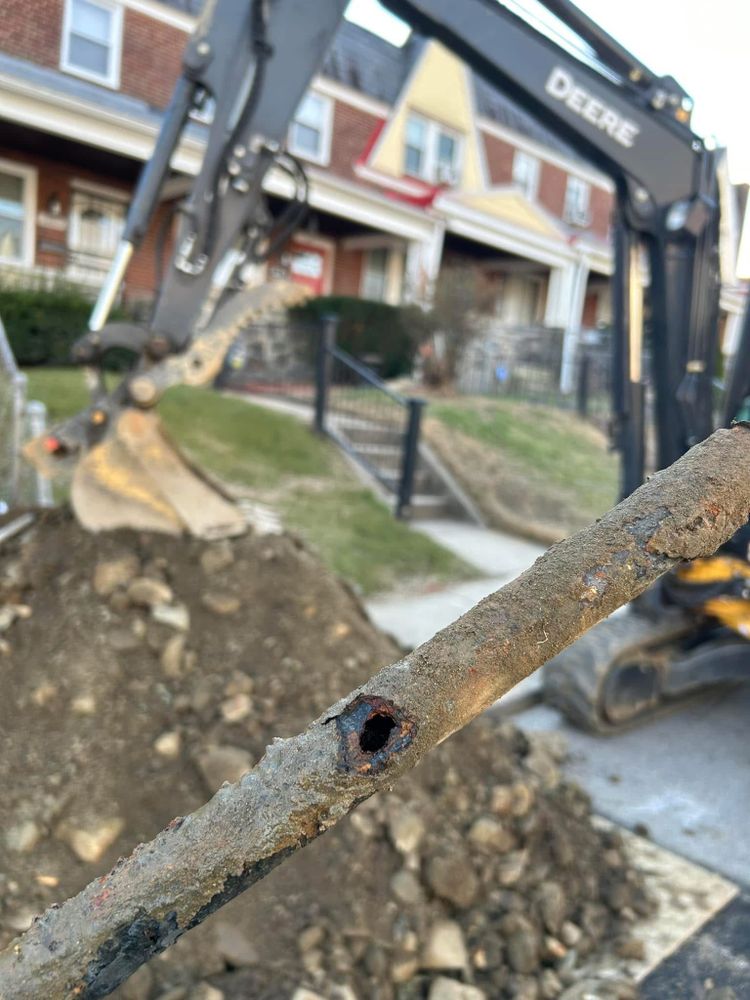
Local contractors frequently encounter another Sump pump issue: aging service lines that were installed before modern corrosion-resistant materials became the norm. Galvanized steel or brittle PVC can deteriorate faster in our area’s mineral-heavy aquifers, leading to rusty, discolored water and chronic damp spots in the yard. Upgrading to high-density polyethylene (HDPE) or copper not only stabilizes water pressure but also reduces the amount of groundwater infiltration that keeps sump pumps humming nonstop.
Homeowners in Sump pump should also pay attention to grading and gutter performance. When downspouts dump water close to the foundation, the sump pump activates more often, and saturated soils put extra pressure on lateral water lines. Extending downspouts, installing French drains, and re-sloping soil away from the house are low-cost projects that prevent both pipe displacement and urgent pumping cycles.
For commercial properties in the Sump pump business district, the stakes are even higher. Restaurants, medical offices, and light industrial shops depend on steady water pressure and clean supply lines to deliver services without interruption. A sudden leak can trigger flooded mechanical rooms, trip electrical panels, and force costly closures. Building managers should pair smart IoT water sensors with their sump pump alarms so they receive instant alerts when line pressure drops or the pump is running more than usual. A rapid response often means the difference between a quick valve replacement and a multi-day excavation.
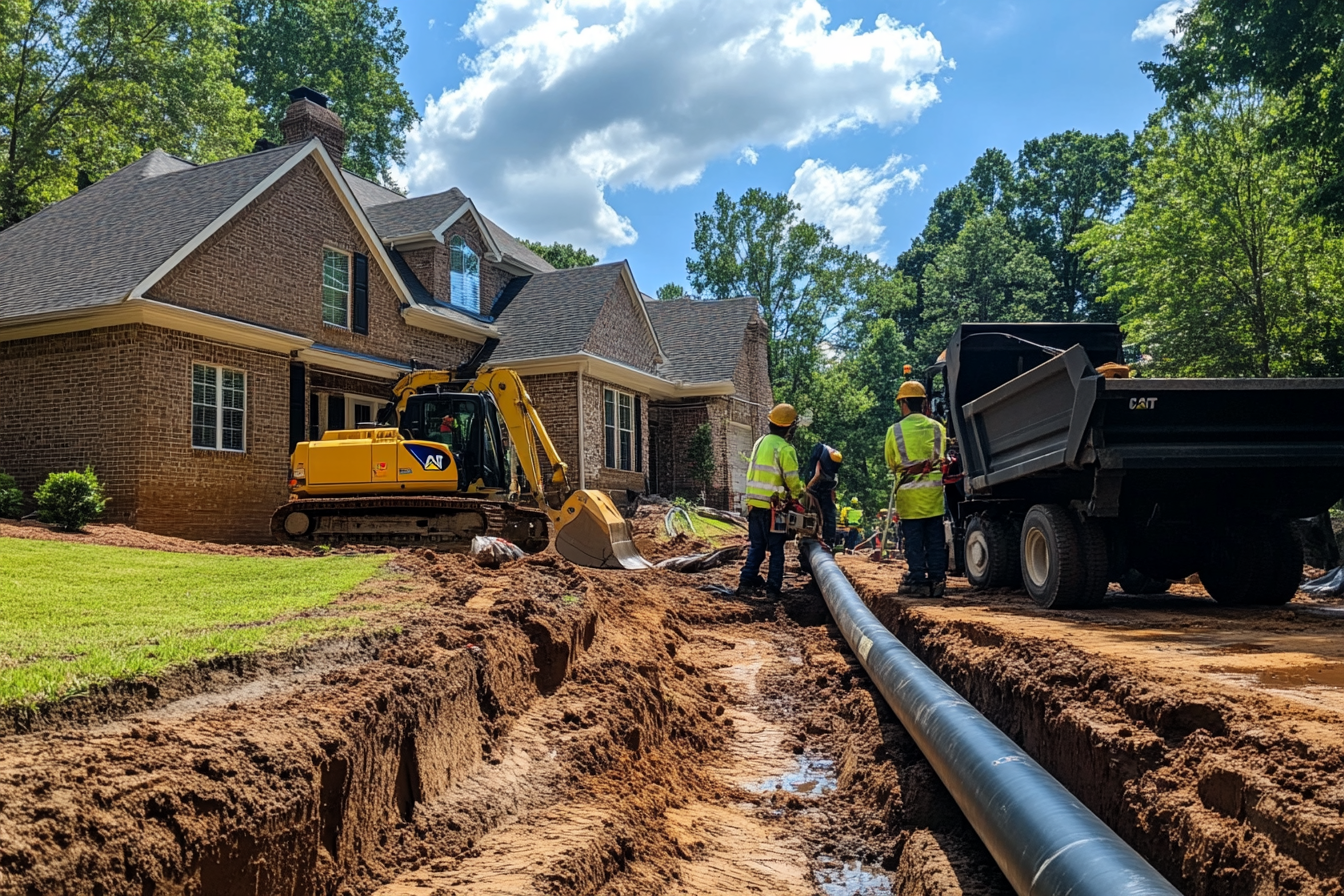
Of course, even the most diligent Sump pump resident can face a surprise rupture. When that happens, shutting off the main valve, clearing a path to the sump basin, and calling a trusted local crew at (443)-903-9018 should be your first steps. Many homeowners underestimate how quickly a damaged water line can saturate subsoil, overwhelm the sump pump, and seep into finished spaces. Professional teams arrive with locators, thermal imaging, and trenchless repair options to minimize yard disruption and get your water service back online fast.
To keep ahead of emergencies, adopt a quarterly checklist tailored to Sump pump’s climate:
1. Inspect the sump pump pit for sediment, test float operation, and confirm that discharge lines are clear and insulated against winter freezes.
2. Review water bills for unexplained spikes that could indicate a hidden line leak feeding groundwater directly into the sump.
3. Walk the perimeter after heavy rain to spot standing water, bubbling sounds, or spongy soil—all early warnings that both your sump system and water service need attention.
4. Schedule professional assessments before hurricane season so any weak fittings, valves, or pump batteries can be replaced under calm conditions.
Families who have finished basements or rely on lower-level in-law suites should take extra precautions. Installing a secondary, battery-backed sump pump and pairing it with a water-powered backup ensures protection even during widespread outages that sometimes affect Sump pump. Meanwhile, upgrading indoor plumbing fixtures to smart shutoff models helps isolate leaks before they saturate drywall or flooring.
Remember that insurance adjusters often ask for maintenance records. Documenting your sump pump tests, water line inspections, and any repairs performed in Sump pump can streamline future claims and demonstrate that you’ve taken reasonable steps to protect the structure.
Whether you need a same-day leak repair, trenchless water line replacement, or simply want a seasoned pro to evaluate your sump pump discharge route, local specialists are ready to help. For more details, visit our main Water Service Install & Repair page.
Protecting a Sump pump property is easier when you have a trusted partner on speed dial. Call (443)-903-9018 to schedule an inspection, learn about modern sump pump upgrades, or coordinate a water line replacement before the next storm rolls across the Bay.