Keeping water coming out of the ground under control starts with rapid response, smart planning, and trusted emergency crews familiar with Harford, Cecil, and Baltimore County infrastructure.
Any homeowner or facilities manager in Edgewood or Aberdeen who has witnessed water coming out of the ground knows the experience is equal parts panic and puzzle. Is the gush caused by a ruptured water main, a failing fire hydrant, or an overwhelmed sewer lateral pushing effluent to the surface? The answer determines whether you need immediate shoring of a roadway, bypass pumping, or simply a temporary shutoff while replacement parts arrive. In Central and Northeastern Maryland, where aging utility corridors run beneath busy corridors like Pulaski Highway and Philadelphia Road, understanding the likely culprits helps you act decisively—especially after hours.
Start by identifying the visual cues. Clear water bubbling from a landscaped median often points to a pressurized potable line break, while cloudy or odorous water coming out of the ground near a cleanout could signal sewer surcharging. Residents near the Bush River watershed might even confuse natural spring activity with a hidden leak. Having a go-to emergency utility partner means you can text a quick video, receive over-the-phone triage, and dispatch a crew only when the situation truly warrants on-site intervention.
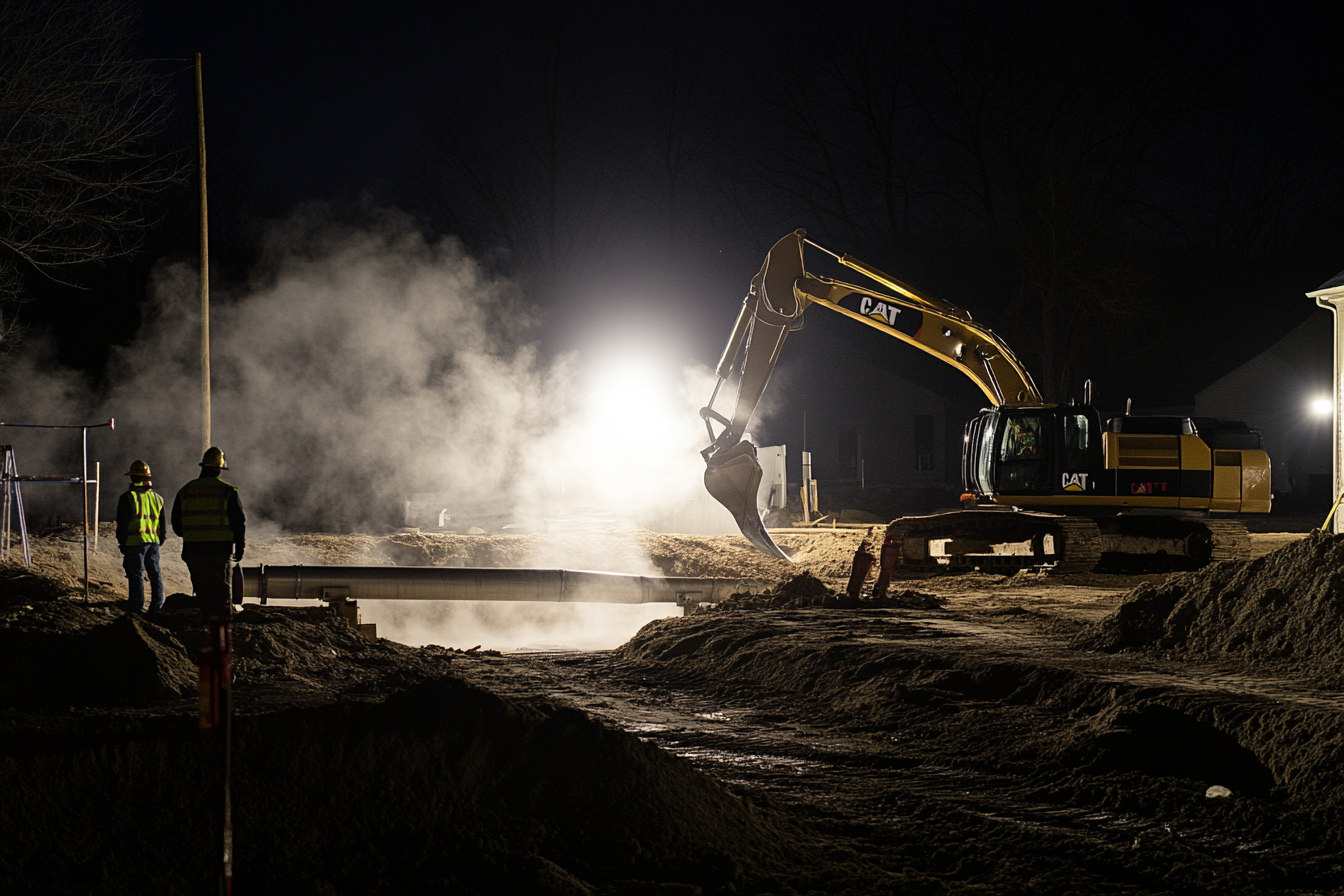
(Insert Image 1 above after explaining initial triage.) Nighttime trenching, as shown in the image, is common when crews must intercept water coming out of the ground before it undermines a driveway or utility easement. To prevent escalation, seasoned responders will locate valves, coordinate with municipal inspectors, and deploy temporary bypass lines. When the problem involves a hydrant knockdown—something that happens more frequently during icy winters—professionals also need to follow NFPA color-coding requirements to verify flow capacities before reopening the system.
Preparation is equally important for commercial campuses lining I-95. A distribution warehouse can lose thousands of dollars per hour if a high-volume service line ruptures and floods loading bays. Establishing a pre-planned emergency protocol ensures that once water coming out of the ground is spotted, staff know which isolation valves to close and how to re-route truck traffic around the affected zone. Many local firms contract annual maintenance that includes valve exercising, hydrant flushing, and CCTV sewer inspections precisely because proactive work reduces the likelihood of surface eruptions.
Residential neighborhoods in Bel Air and Perryville benefit from similar foresight. Older clay sewer laterals are susceptible to root intrusion, and during heavy spring rains, those small cracks allow infiltration that over-pressurizes the system. When effluent and groundwater mix, homeowners might see mysterious puddles forming along foundation walls or in the lawn. Installing backflow preventers, scheduling seasonal jetting, and mapping cleanouts with GPS markers all shorten the time between detection and solution.
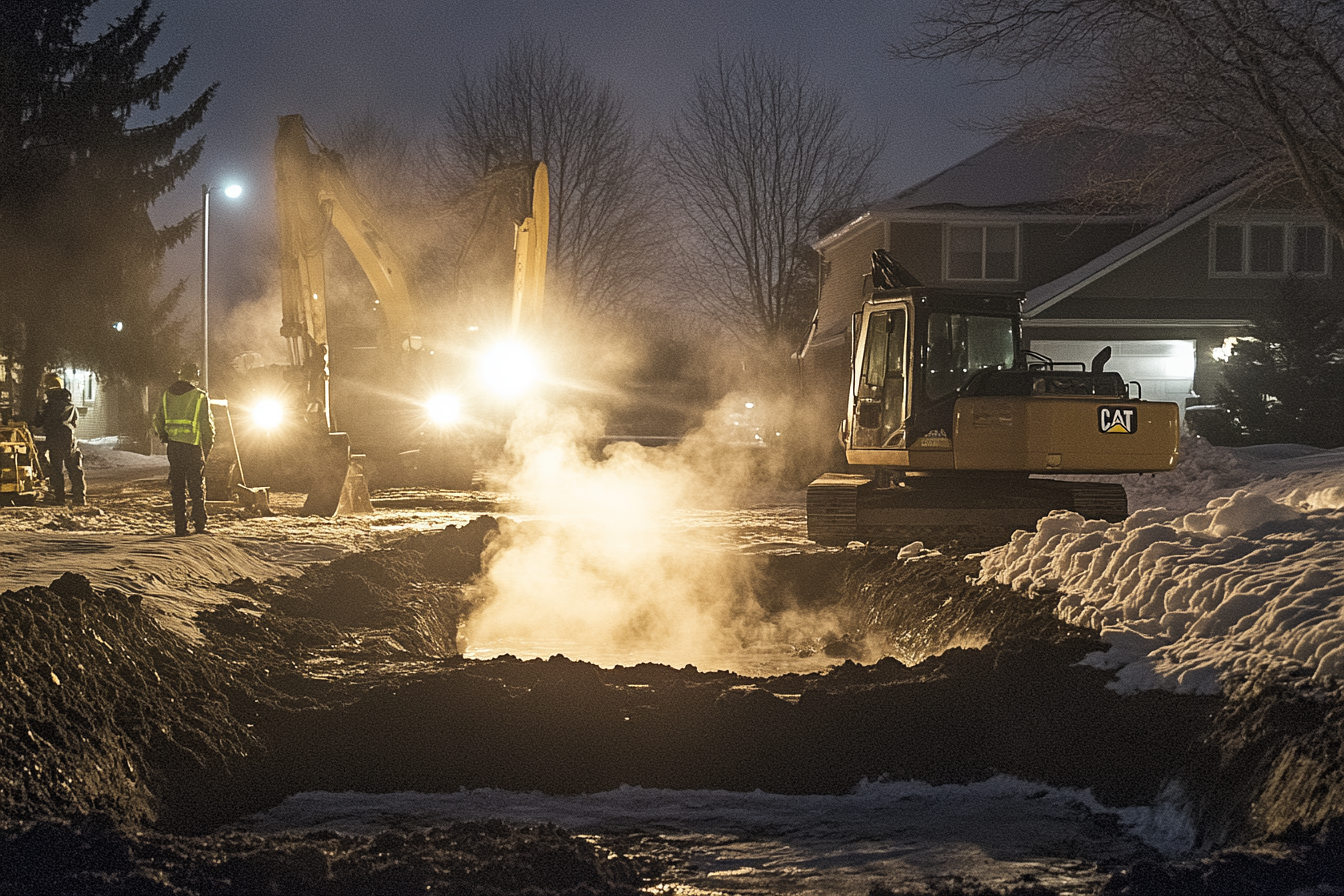
(Insert Image 2 after discussing commercial protocols.) When an emergency crew arrives, safety is the first order of business. They’ll set up traffic control, deploy trench boxes or hydraulic shoring, and test the atmosphere in confined spaces before anyone enters a pit. In flood-prone sections of Havre de Grace, technicians also bring pumps to divert runoff, preventing additional erosion. For businesses subject to Maryland Department of the Environment regulations, documenting these safety steps is essential for insurance claims and compliance audits.
Technology now plays a starring role in resolving mysterious water coming out of the ground events. Acoustic leak detection pinpoints subsurface breaks without extensive digging, while thermal imaging can confirm whether a leak is hot water from a boiler feed or cold potable supply. During winter, ground-penetrating radar becomes invaluable because frozen soil disguises voids that can swallow sidewalks and vehicles. Pairing these diagnostic tools with experienced operators minimizes restoration costs—an important consideration when asphalt replacement and landscaping carry premium prices.

(Insert Image 3 while covering residential solutions.) Homeowners should also keep an emergency toolkit: marking paint for utilities, a shutoff key for curb stops, sandbags, and a list of critical phone numbers—including (443)-903-9018 for around-the-clock utility service. During storm season, consider installing Wi-Fi-enabled leak sensors near sump pits and basements. These devices send alerts before the situation escalates into visible water coming out of the ground outside your home.
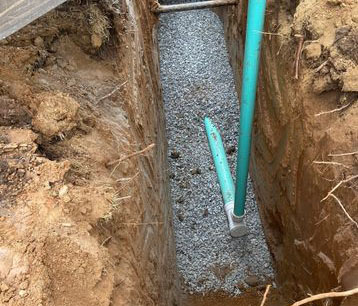
Once the immediate crisis subsides, attention turns to recovery. Proper backfill with clean stone, soil compaction, and pavement restoration ensure the repaired area won’t settle or crack. Businesses should schedule a follow-up inspection 30 days later to verify there are no residual damp spots or newly forming sinkholes. In addition, review your emergency log: What steps worked? Were photos taken for insurance? Did the crew capture utility locates and permit numbers? These details streamline future responses and may even reduce premiums.
Education is the final piece. Organize seasonal toolbox talks with staff or homeowners’ associations to discuss how to recognize early warning signs—unexpected water bills, the sound of running water when fixtures are off, or discolored patches of grass. The faster you escalate concerns, the easier it is for professionals to intervene before erosion compromises sidewalks, building foundations, or underground conduits carrying fiber-optic lines.
For more details, visit our main Commercial 24 Hour Emergency Services page.
Don’t let water coming out of the ground disrupt your family, tenants, or production line. Call (443)-903-9018 anytime to reach a local crew that knows the quirks of Maryland’s soil, storm patterns, and utility networks—and can restore calm before damage spreads.