How General Services homeowners and businesses can keep their water flowing and drains clear with expert, locally focused maintenance
Whether you’ve just bought a charming bungalow off a tree‑lined street or run a busy restaurant in the heart of General Services, one thing stays constant: the health of your underground utilities dictates the health of your whole property. We don’t spend much time thinking about pipes until water backs up in the basement or a sewer smell drifts through the garden. Yet for General Services residents, a little attention today can prevent a five‑figure excavation tomorrow. Let’s walk through five utility management habits that are already saving homeowners and business operators across General Services from sleepless nights and emergency calls.
1. Know Where Your Responsibility Begins—and Ends
Many property owners in General Services assume the city or water district handles everything up to the house. The truth is more nuanced. Generally, you are responsible for the water service line from the meter or curb stop to your building, and for the entire sewer lateral that connects to the main. In older neighborhoods of General Services, these laterals can be 40, 50, or even 70 years old, often made from clay or cast iron that succumbs to root intrusion and ground shift. Walk your property and locate your cleanouts and meter pit. Understanding this boundary not only helps you budget but also ensures you call the right professionals—a trusted local outfit like Shoreline Sewer and Water—when something goes wrong.
2. Make Video Pipe Inspection an Annual Ritual
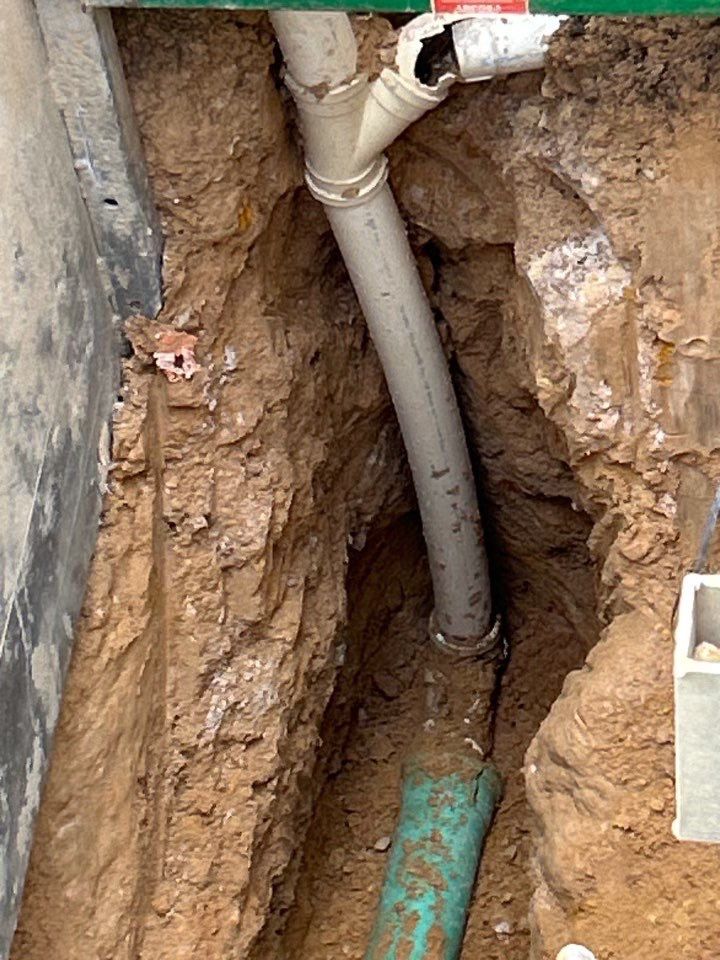
Just as you’d schedule a furnace tune‑up before winter, a camera inspection of your sewer line should be an annual event in General Services. A small, high‑definition camera can spot grease buildup, root masses, cracks, or bellied pipes long before you notice a slow drain. For General Services businesses, especially those in the food and hospitality sector, quarterly inspections are even smarter because fats, oils, and grease can solidify rapidly. When you catch an issue early, you often solve it with hydro‑jetting or a targeted spot repair rather than a full trench excavation that tears up your landscaped yard or disrupts your storefront. Local technicians who understand General Services soil types—which can range from sandy loam to heavy clay—can interpret those images with a precision a generic national franchise simply can’t match.
3. Be Water‑Wise With Your Trees and Shrubs
General Services boasts beautiful mature trees that enhance curb appeal and provide shade. Unfortunately, those same trees send roots toward the nearest moisture source, and your sewer lateral is an all‑you‑can‑drink buffet. If you’re planting new landscaping this season, consult a local utility expert before you dig. Request a utility locate by calling 811, but also ask Shoreline Sewer and Water to map your sewer path so you can avoid planting thirsty species like willows, maples, and poplars directly over the line. For established trees, consider a root barrier or periodic root‑foaming treatment applied by a professional. This simple step can add decades to the life of your pipes and keep your General Services property flood‑free during heavy autumn rains.
4. Never Ignore These Four Early Warning Signs
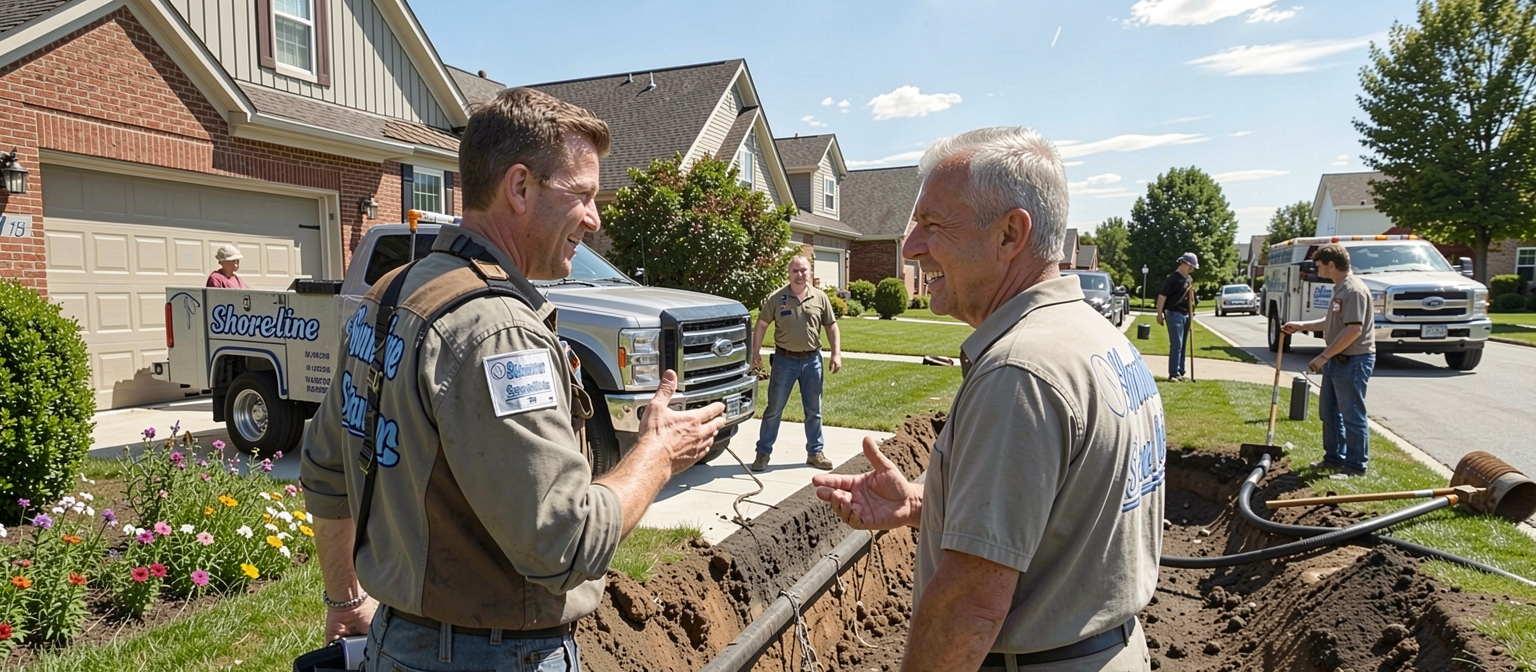
General Services residents often tell us they “didn’t think it was a big deal” until a minor gurgle became a basement geyser. Pay attention to these subtle clues: (a) a patch of grass that’s suddenly greener and lusher than the rest of your lawn—this can signal a leaking sewer line fertilizing the soil; (b) a persistent rotten‑egg odor near floor drains or outside cleanouts; (c) gurgling sounds from toilets or sinks when you run the washing machine; and (d) water backing up in unexpected places, like a shower pan filling when the dishwasher drains. If you notice any of these, call a utility specialist who knows General Services code requirements. (443)-903-9018 connects you directly to the kind of rapid response team that can diagnose and fix the problem before it escalates.
5. Embrace Trenchless Technology—Your Landscape Will Thank You
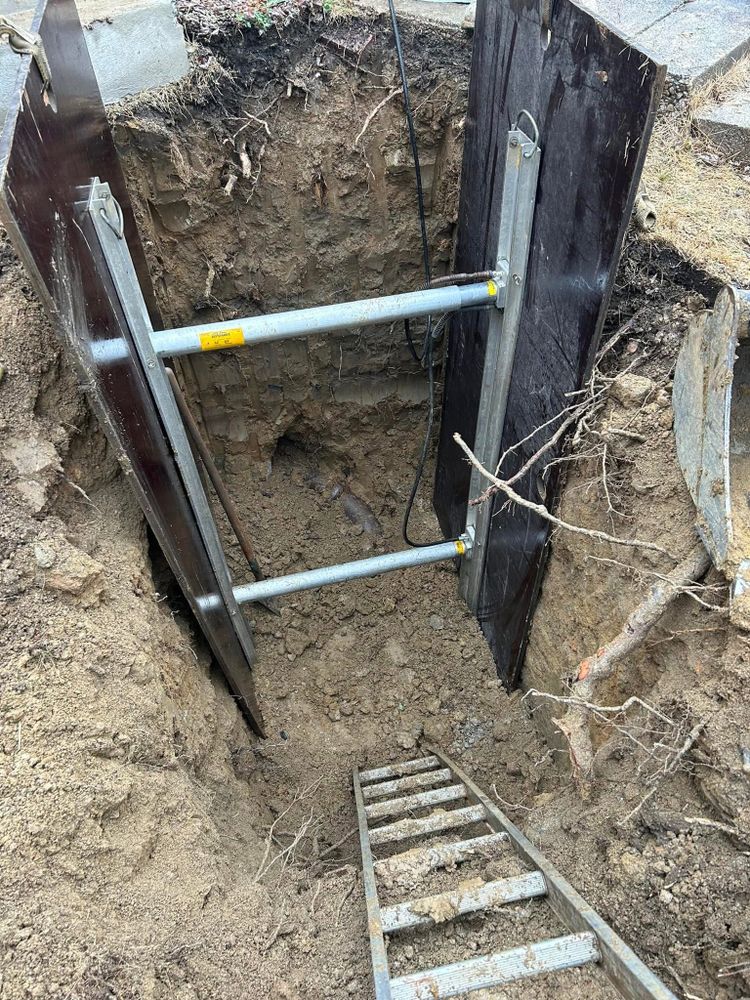
Twenty years ago, replacing a sewer lateral meant a backhoe gouging a trench through your driveway, sidewalk, and prized rose bushes. Today, General Services property owners have access to cured‑in‑place pipe (CIPP) lining and pipe bursting—techniques that rehabilitate or replace pipes with minimal digging. Trenchless methods often meet the rigorous standards required by local jurisdictions and can be completed in a day rather than a week. This is especially critical for General Services businesses that cannot afford prolonged downtime. When you partner with a local provider, you get a team that handles permits, respects property boundaries, and leaves your property looking untouched. That means less stress and more value for your most important investment.
A Local Partnership You Can Rely On
Utilities don’t operate on a 9‑to‑5 clock, and neither should your service provider. Whether you need a routine inspection ahead of a property sale, an emergency pump‑out after a weekend storm, or a complete water line replacement on a historic General Services estate, having a dedicated local team in your contacts list is invaluable. At Shoreline Sewer and Water, we live and work in General Services, so we know the neighborhoods, the soil challenges, the permit process, and, most importantly, the people. We treat every sewer scope and every pipe repair as if it were our own home.
For more details, visit our main Utilities page. Ready to schedule a camera inspection or discuss a utility concern at your General Services property? Call (443)-903-9018 and speak with a real local expert today. Your pipes will thank you.