Uncover the long‑term value professional general services bring to Maryland businesses facing underground infrastructure challenges
When a restaurant kitchen drain backs up during the Friday dinner rush or a multi‑tenant office building loses sewer function overnight, the true test of a facility manager’s preparation kicks in. In those moments, the difference between a short‑lived repair and a lasting solution often comes down to who picks up the phone. Across Maryland’s commercial corridors, more property owners are discovering that partnering with General Services for sewer install and repair work means investing in diagnostic precision that common quick‑fix services simply overlook.
Too many business operators make the mistake of treating a commercial sewer line like a residential pipe that just needs snaking. The reality is far more demanding. Restaurant grease, industrial sediment, high‑volume flush loads, and aging municipal connections create a unique stress profile that only General Services teams equipped with commercial‑grade tools can properly address. In this article, we’ll walk through what sets professional commercial sewer care apart, why video inspection is non‑negotiable, and how local businesses can turn underground headaches into long‑term operational wins.
The Commercial Sewer Reality Most Property Owners Underestimate
A commercial sewer line doesn’t just carry waste—it carries liability, regulatory compliance weight, and the reputation of every tenant above it. Unlike residential systems that serve one family’s daily needs, a commercial sewer can be subjected to chemical cleaners, cooking oils, and paper products at volumes a typical 4‑inch residential line never sees. Eventually, scale buildup, root intrusion, or joint separation forces the system to fail, often without warning. Without a maintenance plan built around real data, the resulting emergency repair can cost three to five times more than a scheduled replacement.
This is where General Services injects predictability into an otherwise unpredictable situation. Instead of guessing what’s happening underground, they deploy high‑resolution video inspection cameras that document every inch of the pipe. The footage becomes a shared diagnostic tool, giving property owners and maintenance teams a transparent look at the actual condition of their infrastructure. For businesses across Maryland—from busy shopping centers in Anne Arundel County to industrial kitchens in Baltimore—this transparency means budget forecasts finally have a factual spine.
Why Video Pipe Inspection Matters More Than Any Quick Fix
The days of relying solely on a plumber’s “gut feel” are behind us. Video pipe inspection is now the cornerstone of modern commercial sewer care, and it’s one of the first resources General Services brings to every job site. A small, waterproof camera travels through the line, live‑streaming what it finds: cracks, bellies, root masses, or collapsed sections. Without this visual evidence, a technician might chase a symptom—a recurring backup—while the true problem festers deeper in the system.
For general services providers that commit to this technology, the benefits extend beyond diagnosis. Recorded footage creates an indisputable record for insurance claims, property transactions, or capital improvement planning. If a facility manager needs to justify a $20,000 sewer replacement to an HOA board or investors, showing a video of a 70% pipe occlusion speaks volumes. This level of evidence‑based service is quickly becoming the baseline expectation among commercial clients, and any general services partner worth their salt now offers it as a standard, not an add‑on.
Installation Done Right: Preventing Problems Before the First Flush
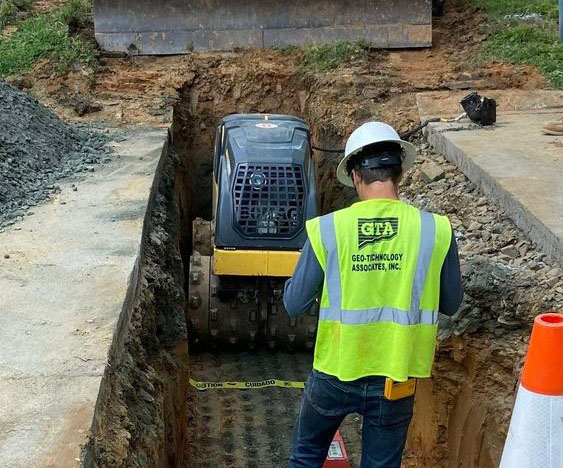
While emergency repairs grab attention, the quiet hero of commercial sewer longevity is a properly executed new installation. Whether it’s a ground‑up medical office building or a restaurant renovation needing a grease interceptor, the choices made during the install phase echo for decades. Slope miscalculation by just one degree can create standing water zones that accelerate corrosion. Inferior bedding material can cause pipe settlement and joint fracture within five years. General Services understands that correct installation is an engineering task, not just a trench‑digging exercise.
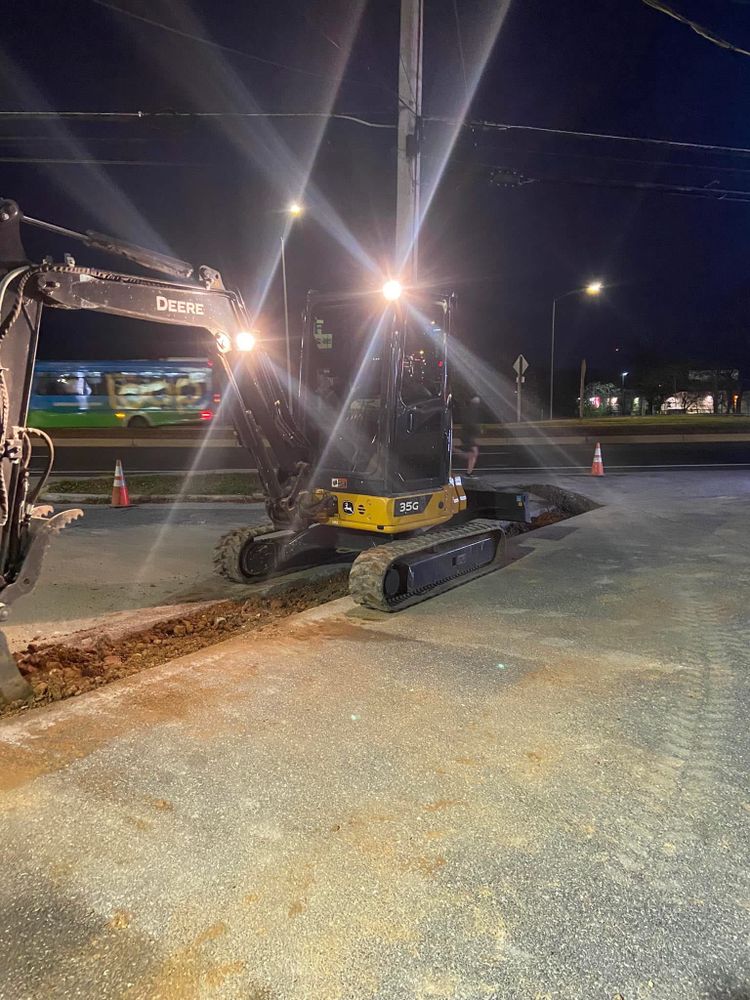
They work closely with commercial contractors and local code officials to ensure every foot of new pipe meets Maryland’s stringent plumbing codes, including proper separation from water mains and correct tie‑in to municipal laterals. For businesses in historic districts or areas with shallow bedrock, the team brings the right equipment—from directional boring rigs to shoring systems—so that a new sewer line never becomes the reason for a project delay. In an industry where general services companies range from single‑truck operators to full‑scale utility contractors, this level of methodical execution sets apart the ones you call first.
Spotting Red Flags Before a Full‑Scale Shutdown
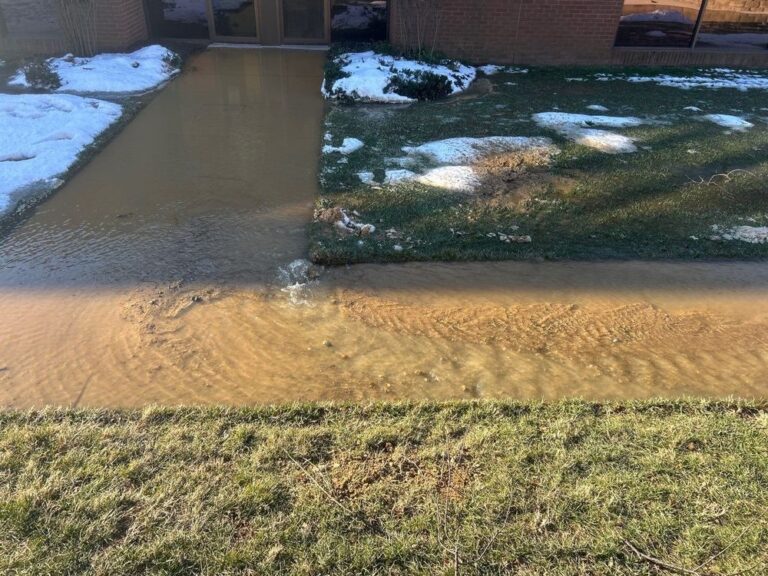
Commercial properties rarely go from perfect operation to total sewer collapse overnight. There are warning signs, but they’re easy to dismiss if nobody is looking. Slow‑draining fixtures across multiple floors, gurgling sounds from floor drains, foul odors that come and go, or unexplained wet spots in landscaping near the main line are all indicators that something is shifting underground. Nearly every business owner who has suffered a catastrophic sewer failure admits they noticed something “off” weeks earlier.
Incorporating regular camera inspections into a property’s annual maintenance calendar changes that dynamic. A biennial check with General Services can catch root intrusion at the hair‑thin stage, before it widens enough to catch debris. It can identify developing pipe bellies caused by soil settlement near retention ponds. For multi‑location operators—think franchise groups or property management firms—this proactive approach creates a uniform standard of care across all sites, reducing the likelihood that one neglected location triggers a system‑wide insurance review.
The Financial Case for Comprehensive Commercial Sewer Care
Business owners often hesitate to budget for sewer maintenance because the expense feels intangible. Compare that to the cost of an emergency excavation: after‑hours crew rates, traffic control, restore paving, lost revenue from a closed business, and potential health department citations. The math tilts sharply toward prevention. Even a modest trenchless repair conducted during planned downtime comes at a fraction of the cost and disruption of a reactive dig.
General Services helps commercial clients build realistic capital reserve plans by providing condition reports that estimate remaining useful life of the sewer infrastructure. With that data, a restaurant owner can plan for a pipe lining in fiscal year Q3 instead of panicking when the kitchen floods on Mother’s Day. For Maryland businesses navigating tight margins, that shift from reactive to proactive asset management protects cash flow and keeps doors open. It’s the kind of strategic partnership that transforms general services from a vendor line item into a core piece of operational resilience.
Choosing the Right Commercial Sewer Partner in Maryland
Not every general services company brings the same depth of commercial experience. When evaluating potential partners, facility managers should ask pointed questions: Do you provide the video footage directly to the client? What’s your experience with the specific code requirements in our county? Can you handle trenchless repairs as well as full open‑cut replacements? The answers quickly separate those who simply clear blockages from those who engineer permanent solutions.
For businesses across the region, identifying a provider that offers 24/7 availability, a fully stocked fleet with commercial jetting and camera equipment, and the crew continuity to learn a property’s unique underground layout makes all the difference. When you find a team that treats your sewer system like an asset rather than an afterthought, you’ve found a partner worth keeping on speed dial. If you’re ready to move from reactive chaos to confident control, consider scheduling a video diagnostic with a proven commercial general services team—because the best time to fix a sewer line is before it tells you it’s broken.
For more details, visit our main Commercial Sewer Service Install Repair page. When you need experienced hands on your commercial property, call (443)-903-9018 to explore a maintenance plan that fits your operation.