Discover why businesses and municipalities across General Services are turning to trenchless horizontal boring to install utilities without tearing up landscapes, roads, or historic walkways.
In General Services, commercial property owners and municipal planners face a familiar challenge: upgrading underground infrastructure while protecting the surfaces above. Whether it’s a century-old retail district, a busy medical campus, or a new industrial park, digging open trenches can mean weeks of lost revenue, safety hazards, and dissatisfied tenants. That’s where commercial underground missiling (also known as horizontal directional boring) steps in — and a growing number of projects throughout General Services now rely on this precise, low-impact technology.
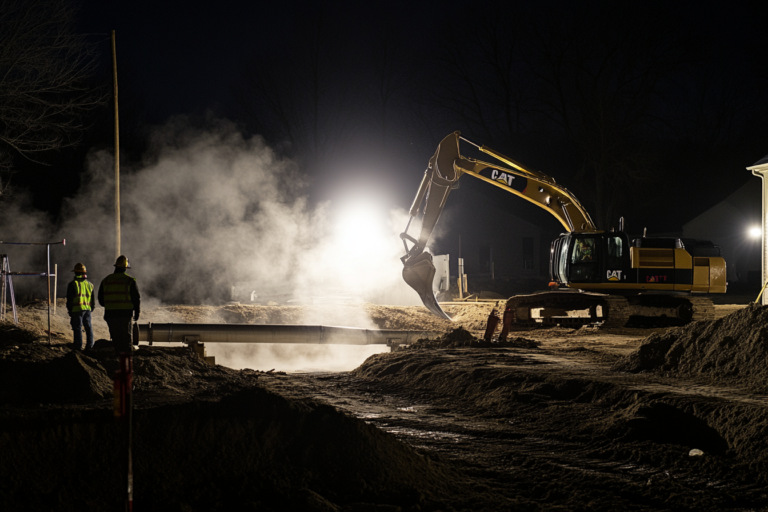
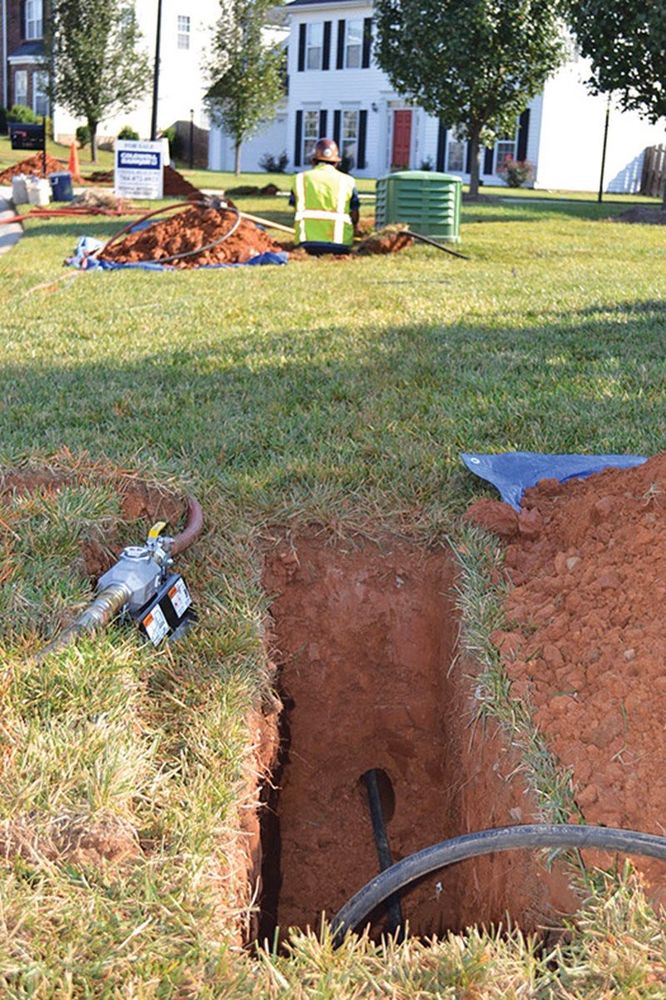
Instead of excavating long, destructive trenches, missiling uses a guided boring machine that launches a steerable drill head from one access pit, travels horizontally beneath obstacles, and emerges at a target point — often hundreds of feet away. The result is a point-to-point conduit for water, sewer, gas, fiber optic, or electrical lines with virtually zero surface disruption. For General Services businesses that can’t afford to close off parking lots, dismantle landscaping, or block customer entrances, this approach delivers a cleaner, faster, and frequently more cost-effective installation.
The Real Cost of Traditional Open-Trench Methods in General Services
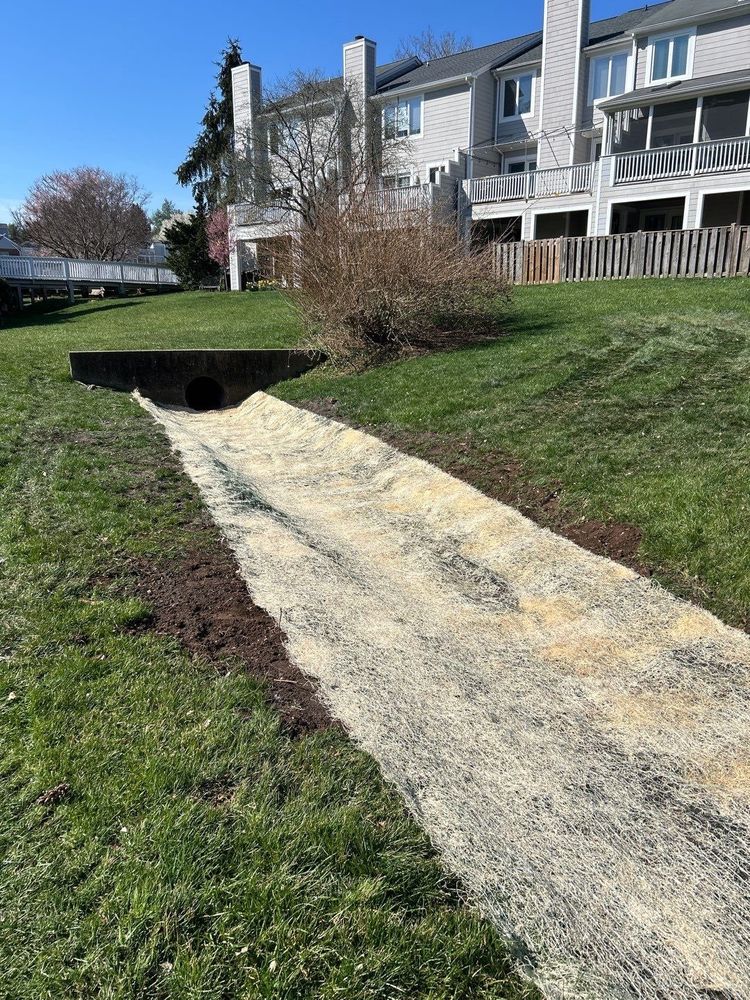
When you factor in pavement restoration, re-sodding, traffic control, extended permitting, and lost business income, the true price of conventional trenching climbs quickly. In the dense commercial corridors of General Services, where curb appeal and uninterrupted foot traffic are everything, these hidden costs can surpass the actual piping work several times over. Underground missiling reduces restoration to two small pits, so storefronts stay open, parking remains available, and the community experiences none of the heavy-equipment noise or dust storms that open-cut projects generate. That’s a big reason so many property managers and HOA boards in General Services now write trenchless specifications into their capital improvement plans.
How Directional Boring Protects General Services’ Unique Landscapes
General Services is known for its blend of historic architecture, mature tree canopies, and carefully designed public spaces. Root systems of old oaks, intricate paver walkways, and decorative fountains aren’t just aesthetically valuable — they often carry local preservation requirements. Missiling threads utility lines under these sensitive features without touching them. The bore path can be adjusted in real time using sonde-based tracking, avoiding buried vaults, existing telecom bundles, or the thick buttress roots of a 150-year-old sycamore that defines a neighborhood block in General Services. Even river crossings and steep creek embankments, which are common in the outlying commercial zones of the area, become manageable project milestones instead of weeks-long construction hurdles.
Applications That Go Beyond Basic Utility Hookups
While many people associate missiling with new water service connections, seasoned commercial clients in General Services have discovered far broader possibilities. Horizontal boring is now regularly used to install sprinkler mainlines for golf courses and athletic fields, to run geothermal loop fields under parking lots, to place conduit for EV charging stations without cracking asphalt, and to create sanitary sewer force mains that dive under wetlands. The method also excels in tight retrofit situations — for example, threading a new storm drain under a fully occupied strip mall while the businesses remain open. A well-planned missiling package often combines several utility runs in a single bore, saving even more time and money for General Services developers and engineering firms working on mixed-use projects.
What Makes a Missiling Project Successful Locally
Not all underground missiling is the same, and the soil conditions across General Services demand specific expertise. The region’s mix of sandy loam, reactive clay lenses, and buried glacial cobble can surprise a crew unfamiliar with local geology. That’s why successful projects start with a thorough site evaluation — including ground-penetrating radar, utility locating, and soil boring logs — to map the bore path precisely. The right equipment, paired with a crew that understands the permit process and engineering standards prevalent in General Services, can keep a project on schedule even when unexpected rock shelves appear. Fluid management and spoil containment also matter; local stormwater regulations require that drilling mud be properly handled, a detail that separates professional trenchless contractors from the rest.
Why More General Services Businesses Are Making the Switch
Owners of shopping centers, medical offices, hotels, and industrial warehouses in General Services repeatedly report shorter project windows, faster tenant re-occupancy, and significantly lower landscaping repair bills when they opt for missiling. In an era where a single negative online review about construction-related access issues can hurt a business, maintaining a clean, accessible site matters. Municipalities, too, are embracing trenchless technology for water-main replacements and fiber backbone expansions because it drastically reduces public inconvenience and liability risk. As General Services continues to grow and modernize, underground missiling is becoming the default method for any project that values speed, aesthetics, and long-term durability.
When your commercial property can’t afford downtime and the surrounding pavement or landscape must remain pristine, a guided boring solution can make the difference between a seamless upgrade and a costly disruption. For more details, visit our main Commercial Underground Missiling page. If you’re ready to discuss a project in General Services, call the specialists who know the local ground best — contact Shoreline Sewer & Water at (443)-903-9018 and ask about a free site assessment and customized trenchless plan for your commercial location.