Smart maintenance tips for Crack repair businesses and homeowners navigating relentless Mid-Atlantic moisture
Residents of Crack repair know that concrete cracks are rarely just cosmetic. Between tidal surges off the Chesapeake, freeze-thaw cycles, and intense summer thunderstorms, a hairline fracture can become a stormwater shortcut, routing runoff straight toward basements, parking lots, and expensive equipment. Tackling Crack repair proactively is the most cost-effective way to defend both structures and soils, and it pairs perfectly with the robust stormwater management culture already present throughout Central and Northeast Maryland.
Why the urgency? Because every expansion joint, asphalt seam, and mortar line in Crack repair is asked to do double duty: carry daily traffic loads while holding back water from adjacent bio-retention cells, detention ponds, or utility corridors. As soon as gaps form, nearby stormwater assets lose efficiency. Sediment sneaks in, vegetation struggles, and the life expectancy of your system plummets. Coordinated crack restoration and hydrologic planning keep the entire site compliant and resilient.
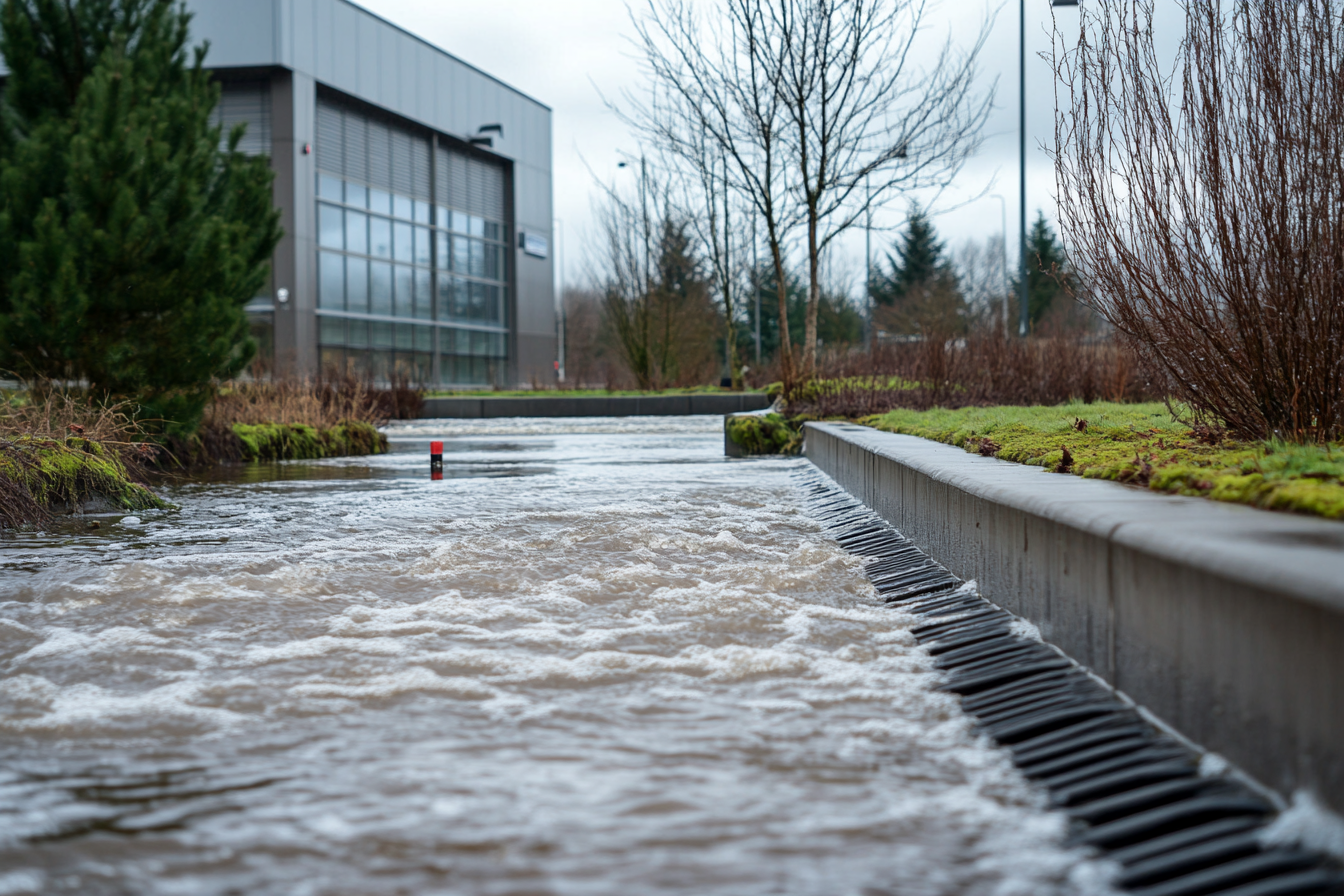
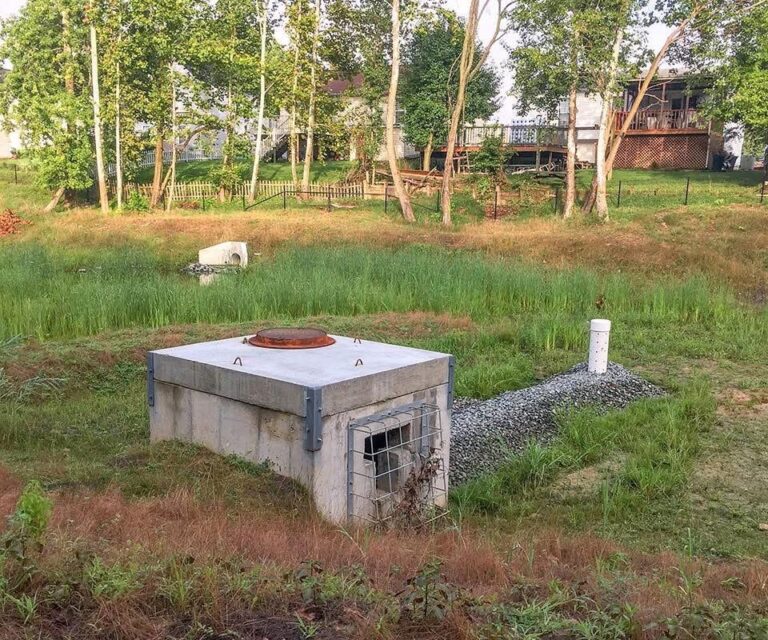
Start with reconnaissance. Schedule a seasonal inspection that looks beyond obvious pavement blemishes and maps how runoff travels across the property. In Crack repair’s mixed commercial corridors, that might include tracing roof leaders into underground detention vaults, verifying riser elevations, and checking for subsurface voids caused by leaking pipes. When inspectors pair crack mapping with stormwater monitoring, repairs can be prioritized based on risk: seal the joints that sit upslope of loading docks first, then move to sidewalks near ADA ramps where freeze-thaw heave is common.
Material selection is the next big decision. Epoxy injections, polyurethane foam expansion, and cementitious overlays all have a place in Crack repair. The humid summer climate often favors flexible sealants that can accommodate thermal movement, but high-traffic distribution hubs may need rigid structural stitching combined with dowel bar retrofits. Don’t overlook sustainability: low-VOC products, permeable patch mixes, and recycled aggregate overlays align with the watershed-friendly ethos many Crack repair businesses embrace. Pairing these materials with vegetated swales or tree boxes can further disperse runoff, reducing pressure on patched surfaces.
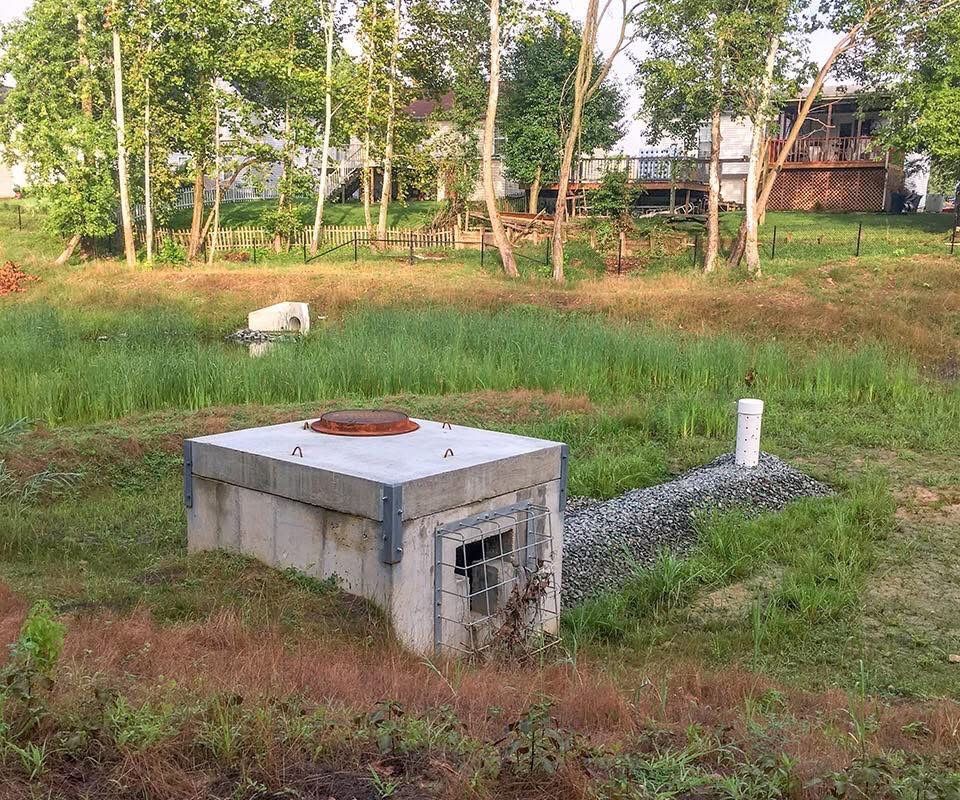
Timing and staging matter, too. Crack repair neighborhoods often juggle school traffic, commuter rush hours, and weekend tourism. Plan repairs during low-impact windows and coordinate with municipal permitting offices so lane closures align with stormwater maintenance tasks like dredging or slope mowing. A synchronized schedule keeps detours short and ensures that newly sealed surfaces aren’t immediately flooded by an open catch basin or clogged culvert nearby.
For industrial parks and multifamily complexes, monitoring technology is a smart add-on. Simple moisture sensors along expansion joints can alert facility managers when water infiltrates areas that were recently restored. When paired with cloud-based logs of detention pond levels and vacuum truck service records, Crack repair teams gain a holistic picture of pavement health in relation to stormwater performance. That data becomes invaluable during county inspections or capital planning cycles.
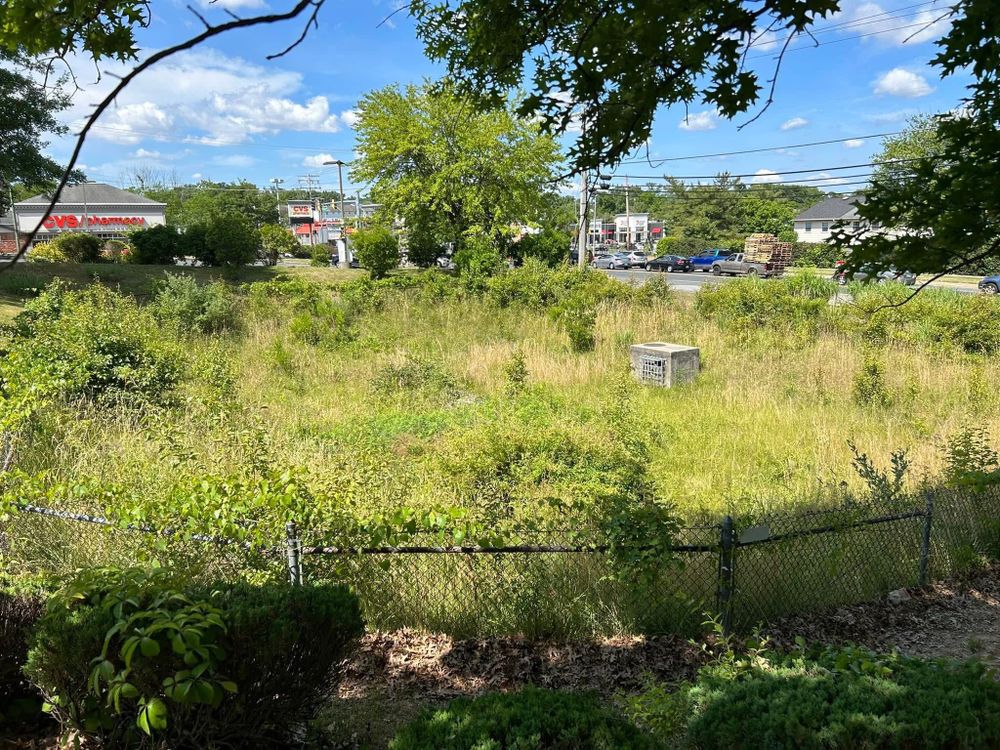
Homeowners aren’t off the hook. Cracks along foundation walls or driveway aprons can funnel water toward sump pumps and gardens. In Crack repair’s wooded subdivisions, consider combining seal-and-cover strategies with French drains or micro bio-swales that slow runoff before it touches the house. Keep gutters clear, extend downspouts, and routinely inspect retaining wall weep holes. Small weekend projects like these often prevent the bigger structural repairs that come with soil saturation and differential settlement.
Remember, crack repair is rarely a one-and-done event. Build a maintenance calendar that includes quarterly walk-throughs, annual joint resealing for high-movement areas, and five-year structural reviews for retaining walls, culverts, and underground SWM systems. Keep trusted partners on speed dial—particularly those who can provide 24/7 emergency response when a sudden deluge exposes a hidden seam. Local crews understand Crack repair’s permitting requirements, native soils, and hydrologic quirks, making them invaluable allies when minutes matter.
If you need help prioritizing repairs or want a comprehensive resilience plan, call (443)-903-9018. A knowledgeable team can tailor a mix of crack sealing, pipe rehabilitation, and stormwater enhancements that preserves curb appeal while meeting Chesapeake Bay watershed goals.
For more details, visit our main Commercial Stormwater Management page.
Protecting property in Crack repair means seeing every crack as part of a bigger water story. With thoughtful inspections, resilient materials, and coordinated scheduling, you can keep surfaces smooth, systems compliant, and stormwater exactly where it belongs.