Local insights, smarter planning, and faster sewer line repair solutions for Maryland communities
Sewer line repair rarely gives homeowners or facility managers much warning, especially in tight-knit communities across Harford and Baltimore Counties. One day the drains run fine; the next, you’re facing gurgling toilets, soggy lawn patches, or a work order from an environmental inspector. Understanding how aging clay pipes, shifting Mid-Atlantic soils, and year-round business operations collide can help you respond faster and keep your property compliant.
Unlike a leaky faucet, sewer line repair affects the entire building. Restaurants along Bel Air’s Main Street, warehouses near the I-95 corridor, and waterfront cottages in Havre de Grace all rely on uninterrupted waste removal. That’s why Shoreline Sewer & Water crews stay on call 24/7—because a blocked lateral or collapsed main doesn’t wait for business hours. When you hear drains gulping or smell sewage at a floor drain, assume the issue lies deeper than a single fixture and schedule diagnostics immediately.
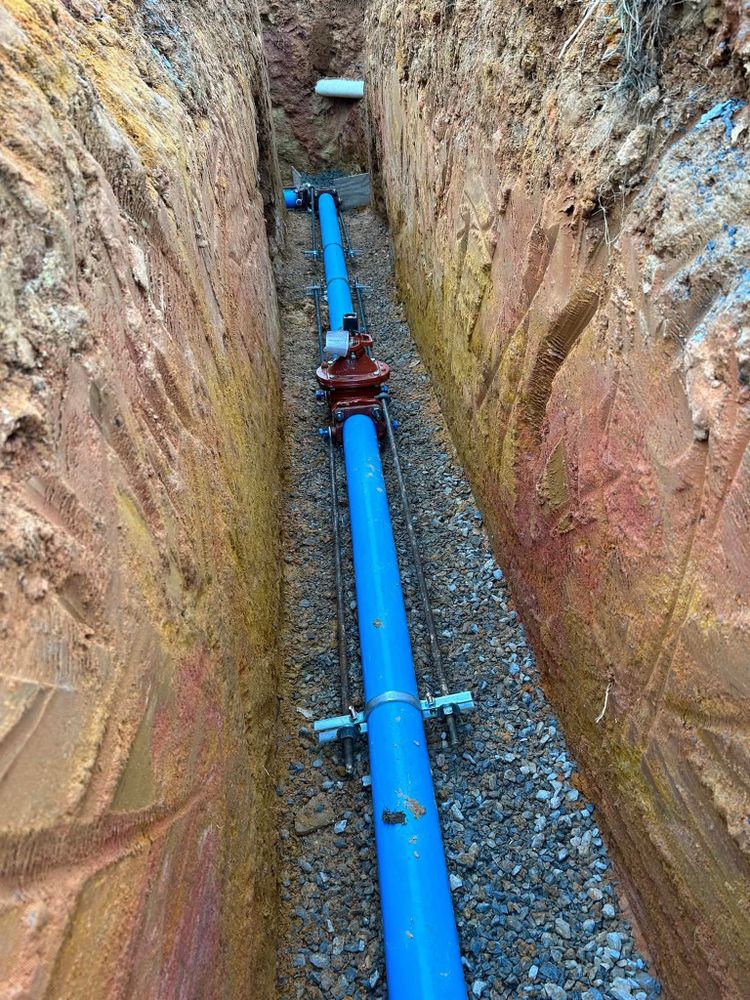
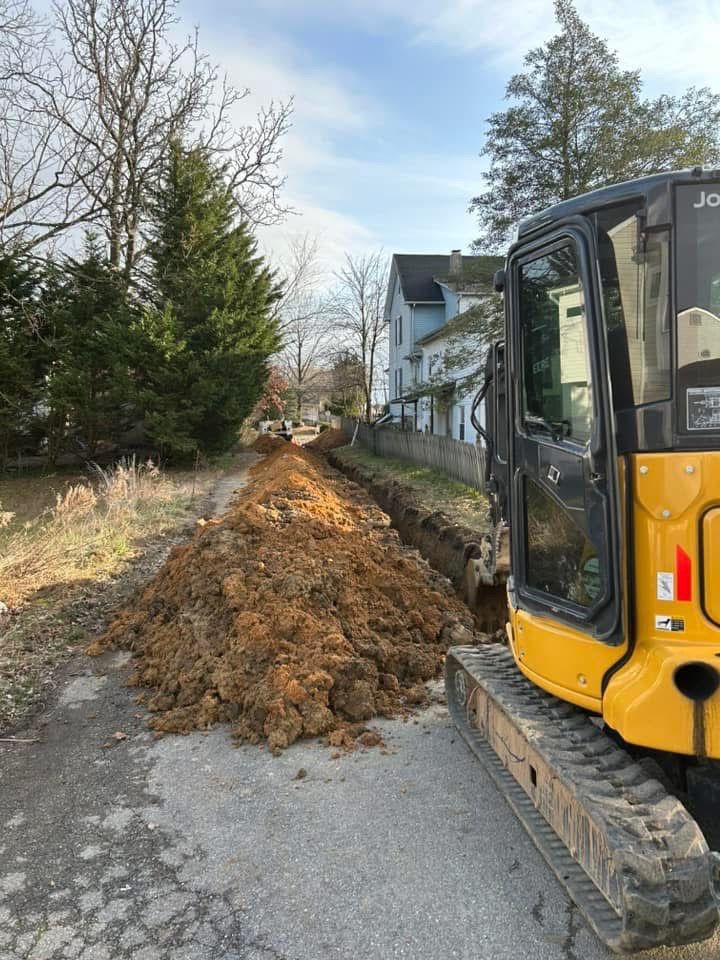
Plan for weather and soil realities. Central Maryland soils alternate between expansive clays and sandy loam. Both can stress older cast iron or asbestos cement pipes, especially during freeze-thaw cycles along the Route 40 corridor. If roots are infiltrating joints in Fallston or Joppa, installing new gasketed PVC with proper bedding can prevent future displacement. When possible, schedule sewer line repair before spring rains raise the groundwater table—otherwise, dewatering may add hours of labor and cost.
Use targeted diagnostics. Modern sewer cameras and acoustic leak detection tools eliminate the guesswork. A camera inspection from the city cleanout to your indoor stack reveals offsets, grease caps, and corrosion without tearing up landscaping. Pairing that footage with sonar tracing helps crews in Parkville or Aberdeen map the exact depth, so the excavation footprint stays small. Accurate diagnostics lead to smarter repair choices, whether you need point repairs, full-line replacement, or an epoxy liner.
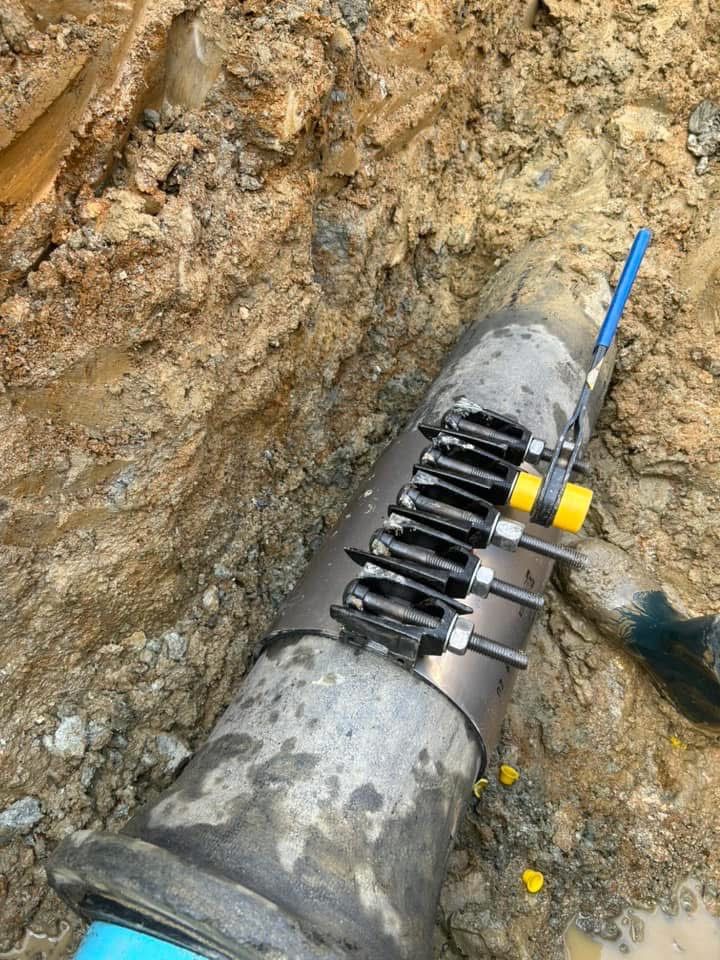
Balance trenchless and traditional methods. Trenchless sewer line repair—such as cured-in-place pipe (CIPP) lining or pipe bursting—reduces downtime for Towson storefronts and White Marsh strip centers. However, these methods aren’t always ideal when pipe bellies exceed two inches or when utilities crisscross the alignment. In those cases, precision excavation combined with shoring keeps workers safe while the damaged section is replaced. Consulting a contractor who offers both approaches ensures you receive unbiased recommendations instead of a one-size-fits-all pitch.
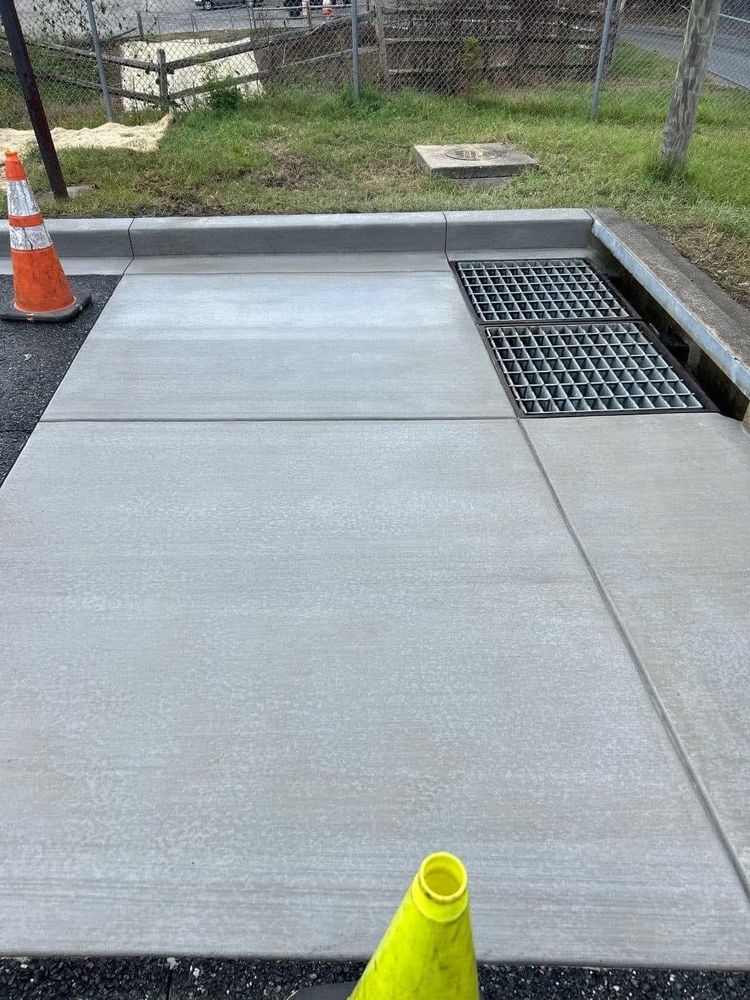
Coordinate with municipal requirements. Many Maryland jurisdictions require permits and post-repair video proof before backfilling. In Baltimore County, for example, inspectors often demand a connection test before approving sidewalk restoration. Savvy property managers schedule inspections the same day repairs conclude to avoid reopening trenches. Keep neighbors informed, set up safe pedestrian detours, and photograph pre-existing pavement conditions to streamline reimbursement claims if the roadway needs resurfacing.
Protect indoor operations. Businesses in Edgewood, Perry Hall, and beyond can’t afford to halt production for days. Temporary bypass pumping maintains restroom access and fire suppression drains even while the main is under repair. For multi-tenant buildings, create a communication plan: send text alerts, post elevator notices, and provide portable restrooms if flows must be shut down. Clear messaging earns goodwill and prevents emergency maintenance calls from frustrated tenants.
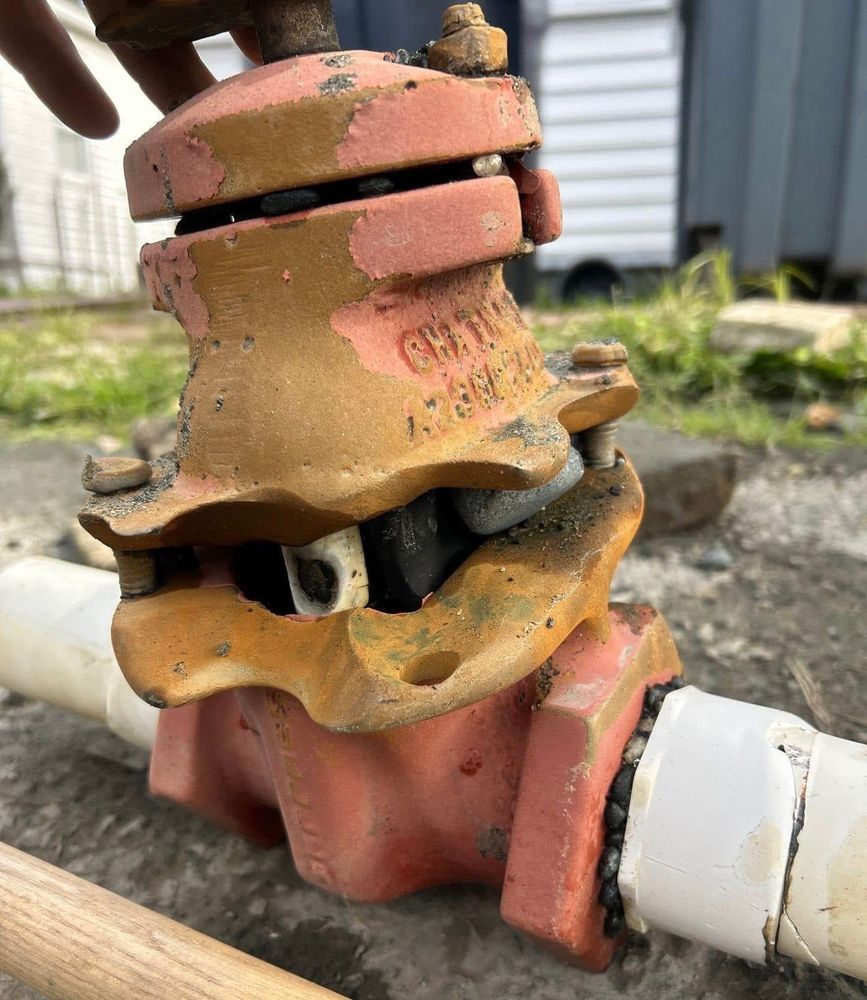
Budget for the lifecycle. Sewer line repair isn’t a one-off expense; it’s part of responsible asset management. Map pipe ages and materials across your portfolio, then prioritize high-risk locations—older neighborhoods with mature trees or sites that experienced soil settlement after storms Ida or Agnes. Building a five-year capital plan that rotates inspections, cleaning, and strategic replacements keeps surprises at bay. Don’t forget to document every repair with photos, receipts, and video footage to support insurance claims or future property sales.
Create an emergency playbook. Keep a laminated sheet near the mechanical room with key steps: shut down water if backups flood lower levels, call Shoreline Sewer & Water at (443)-903-9018, inform local utilities before digging, and elevate sensitive equipment. During cold snaps, remind staff to let seldom-used fixtures run briefly to prevent freeze-induced cracks. Clear checklists reduce panic and get crews on-site faster.
Ultimately, the best sewer line repair outcomes in Harford and Baltimore Counties come from proactive partnerships. Work with contractors who understand local permitting, offer transparent diagnostics, and provide both trenchless and traditional solutions. With the right plan, your property stays sanitary, compliant, and open for business.
For more details, visit our main Commercial Water Main Install & Repair page.
Ready to schedule a sewer line repair inspection or need emergency service right now? Call Shoreline Sewer & Water at (443)-903-9018 and keep your Maryland property flowing smoothly.