Smart sewer pipe repair strategies that protect Maryland properties from downtown Baltimore to Bel Air
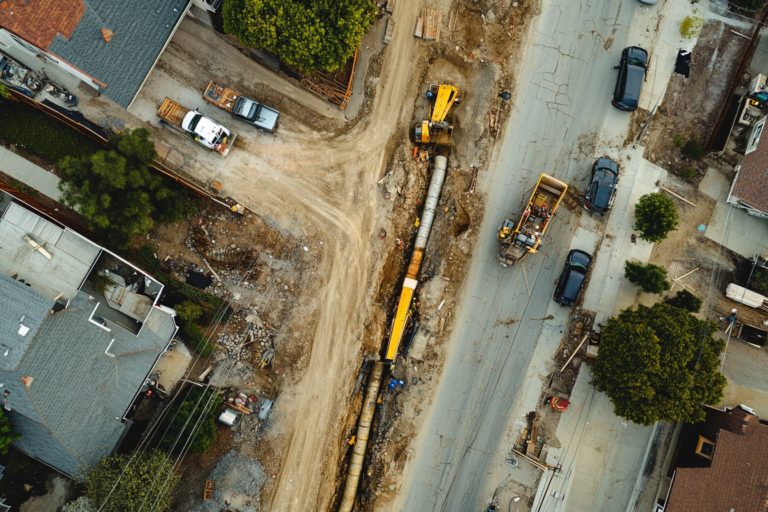
When a Baltimore business owner hears the words “sewer pipe repair,” it often conjures images of jackhammers, closed sidewalks, and costly downtime. Yet across Central and Northeast Maryland, from waterfront restaurants in Canton to warehouse campuses in White Marsh, modern solutions are making pipe rehabilitation faster, cleaner, and more predictable. Understanding the local soil, weather, and regulatory constraints helps you plan for repairs before emergencies erupt.
Start with early warning signs. If you notice slow floor drains in a Federal Hill retail space or unexplained turf depressions beside a Towson apartment complex, you might be witnessing groundwater infiltration or a collapsed lateral. Hydrostatic pressure is notorious in our four-season climate; winter freeze-thaw cycles and spring nor’easters repeatedly stress buried infrastructure. Scheduling a camera inspection each fall allows contractors to map root intrusion, grease buildup, or joint separation long before sewer pipe repair becomes a midnight emergency call.
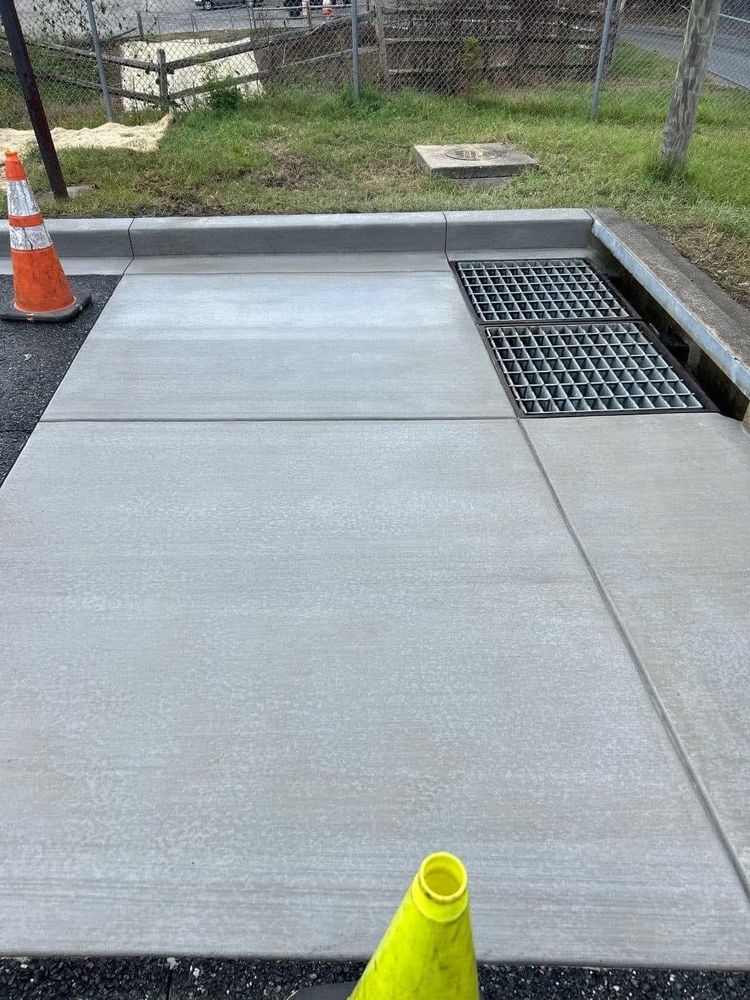
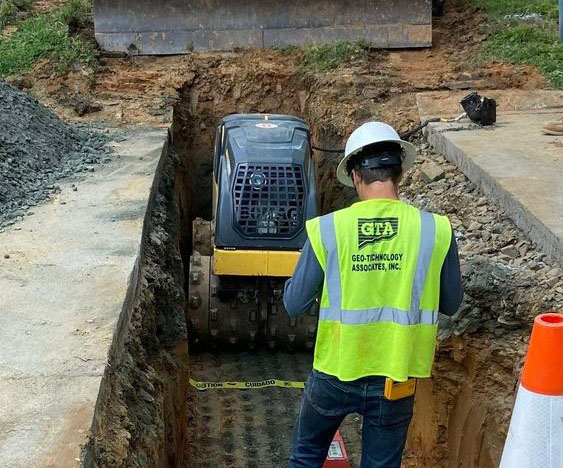
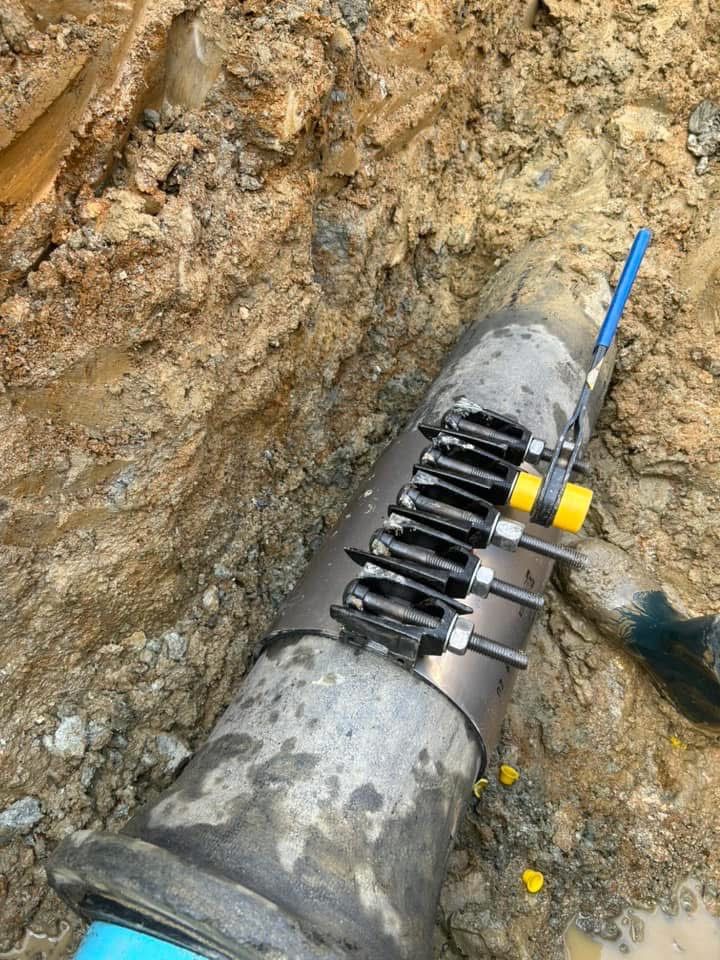
Material selection matters as much as timing. Many pre-1970 Baltimore rowhomes still rely on clay or cast-iron laterals, while corporate campuses near Aberdeen Proving Ground lean on PVC with gasketed joints. Clay is brittle under vehicle vibration; cast iron corrodes in Baltimore’s humid summers; PVC shifts when nearby construction disrupts compaction. Knowing which material lies beneath your parking lot informs whether trenchless cured-in-place pipe (CIPP), sliplining, or targeted excavation is the best sewer pipe repair approach.
Storm intensity is another local factor. The Chesapeake Bay funnel effect can dump inches of rain within an hour, overwhelming undersized drainage systems. Pairing sewer pipe repair with commercial waterproofing tactics—like interior drain tile, exterior drain tile, and horizontal deck membranes—keeps water from re-entering newly rehabilitated pipes. For example, a logistics hub in Jessup recently combined CIPP lining with helical pier stabilization to stop both pipe leaks and slab settlement from the same saturated soil.
Businesses frequently ask how to minimize downtime. One proven tactic is staging repairs during off-peak hours: restaurants might schedule lining overnight, while hospitals coordinate around planned maintenance windows. Another is pre-cleaning lines with high-pressure jetting so the repair team can immediately assess and line the pipe. This sequencing shaves hours off the process, which is critical for Main Street shops that can’t afford prolonged closures.
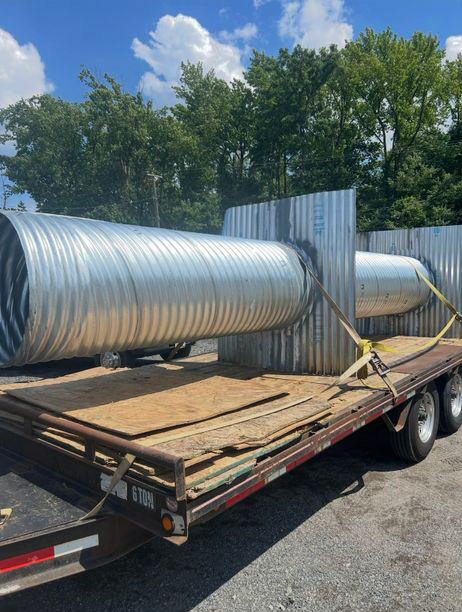
Residential communities in Bel Air and Owings Mills increasingly request smart monitoring after sewer pipe repair. Low-profile sensors inside cleanouts now alert property managers if flow suddenly decreases, hinting at new blockages or grease caps. Pair these sensors with seasonal maintenance—like clearing gutters, directing downspouts away from laterals, and power-washing loading docks—to prevent sediment from reentering the system.
Cost control hinges on documentation. Keep a digital log of line footage, depth, pipe age, and previous repairs. When your contractor arrives, they can reference the log to locate access points quickly and choose the right resin cure time for local soil temperatures. In Baltimore City, obtaining right-of-way permits for sidewalk access can take days; thorough documentation speeds approval because inspectors see a clear plan backed by historical data.

Don’t overlook collaboration between roofing, paving, and plumbing teams. A newly repaved parking lot in Columbia can channel runoff toward stairwells, straining interior drains if the grading wasn’t coordinated with the sewer pipe repair crew. Regular cross-trade meetings ensure every improvement works together rather than in silos.
Finally, choose a contractor who understands local codes and emergency protocols. In Anne Arundel County, specific discharge permits govern bypass pumping during sewer pipe repair. Baltimore County requires traffic-control plans when work encroaches on public right-of-way. A knowledgeable partner will secure permits, stage bypass hoses safely, and keep communication lines open with neighbors and tenants.
If you’re weighing your next move, schedule a preventive consultation. A quick assessment today can avert a flooded storefront tomorrow. Reach our local team at (443)-903-9018, and we’ll tailor a sewer pipe repair roadmap that respects your schedule and budget while protecting your property year-round.
For more details, visit our main Commercial Drainage / Waterproofing page.