How proactive emergency planning protects construction sites, businesses, and neighborhoods across Central and North Eastern Maryland
If you’re planning a new build, expansion, or site redevelopment in Central or North Eastern Maryland, underground utilities should never be an afterthought. Water mains, sewer lines, fire hydrants, and storm systems are the lifelines of every construction project—and when they fail, they don’t wait for business hours. The most successful construction teams, property managers, and local business owners in our region have one thing in common: they treat 24/7 emergency utility support as essential infrastructure, not a luxury.
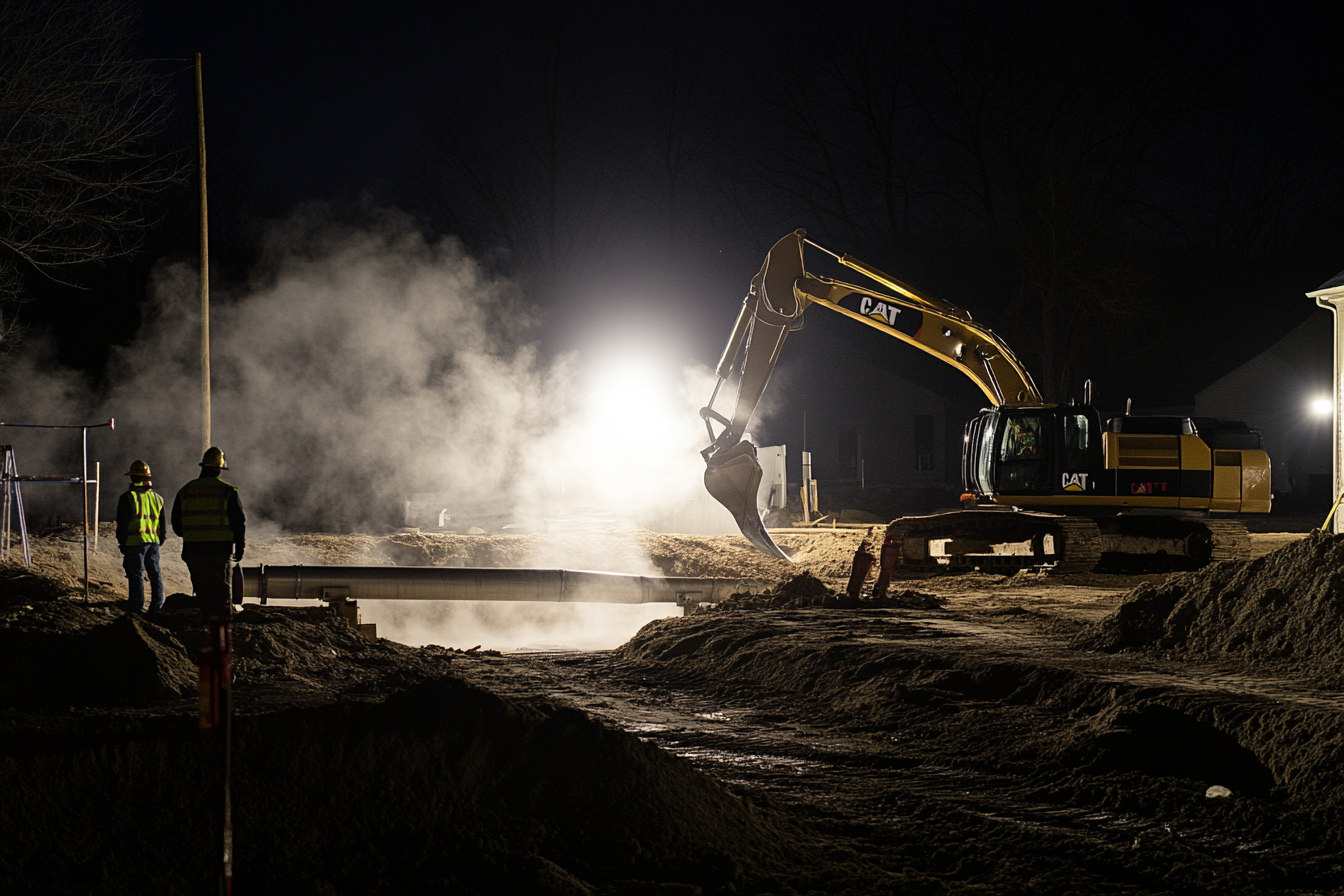
From Edgewood and Bel Air to Aberdeen, Elkton, and the I-95 corridor, fast-growing Maryland communities are seeing more construction than ever. With that growth comes higher demand on aging infrastructure—and a much higher risk of costly disruptions if your team isn’t prepared.
Let’s break down how a strategic approach to emergency sewer and water services can keep your construction schedule on track, protect surrounding properties, and safeguard your reputation.
1. Construction Doesn’t Stop at 5 PM—Your Utility Support Shouldn’t Either
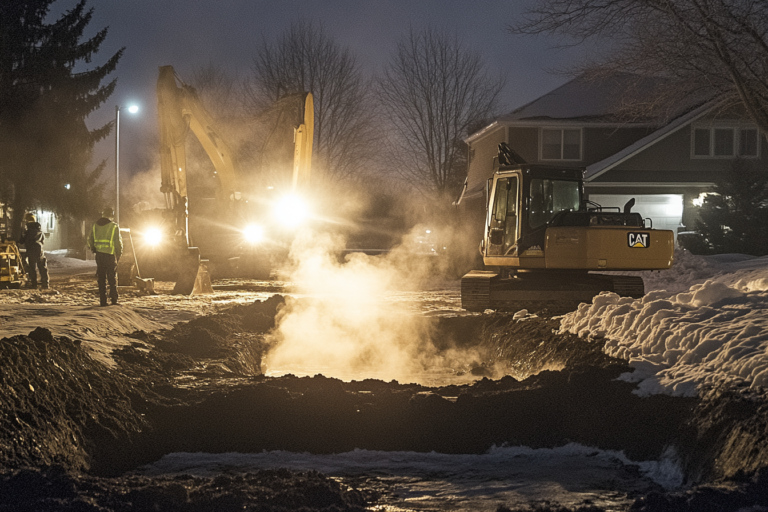
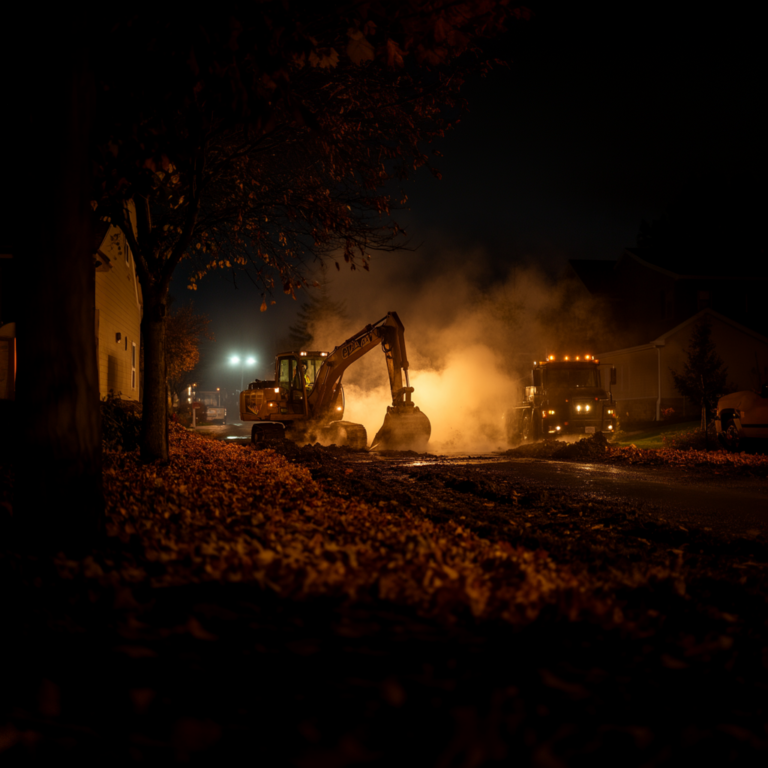
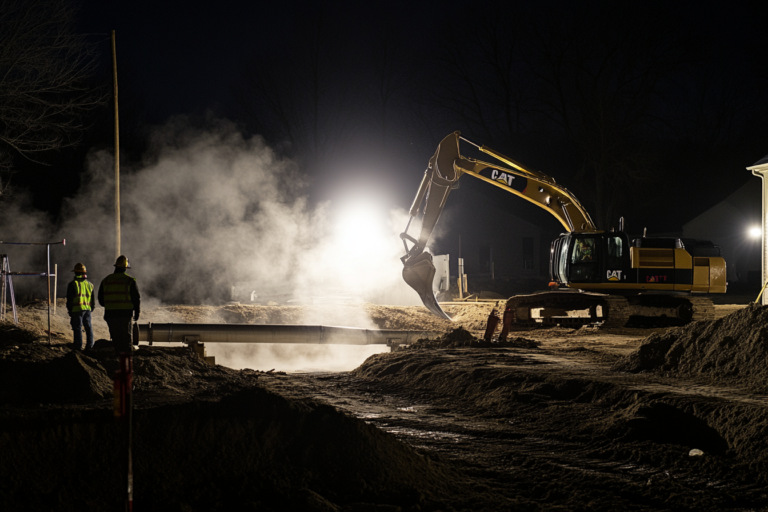
Concrete pours at dawn, overnight trenching, weekend tie-ins—modern construction in Maryland is a 24-hour operation. A ruptured water main at 11:30 p.m. in Edgewood or an unexpected sewer backup behind a commercial pad site in Perryville can’t sit until morning without:
– Flooding excavations and washing out carefully graded areas
– Undermining roadways, temporary access drives, and building pads
– Delaying critical inspections and utility tie-ins
– Creating unsafe conditions for workers and the public
Partnering with a utility contractor that offers true 24/7 emergency response means your construction team has a direct line to specialists who understand both underground systems and active jobsite constraints. Instead of scrambling for whoever is available, you get prompt assessment, clear communication, and a solution designed around your site logistics.
2. Building in Maryland? Local Codes and Conditions Matter
Central and North Eastern Maryland present unique challenges that out-of-area crews often underestimate:
– High water tables near the Bay and rivers
– Sensitive Chesapeake Bay watershed protections
– Tight utility corridors along older roads and commercial strips
– Aging municipal infrastructure in established neighborhoods
– Mixed-use developments where residential, retail, and industrial meet
An emergency utility team rooted in Maryland construction understands local permitting requirements, “call before you dig” protocols, traffic control expectations, and how to coordinate with counties, municipalities, and inspectors. When a water service line fails during a commercial build-out in Edgewood or a fire hydrant is damaged during construction staging in Havre de Grace, you want a crew that already knows who to call—and how to get you compliant, fast.
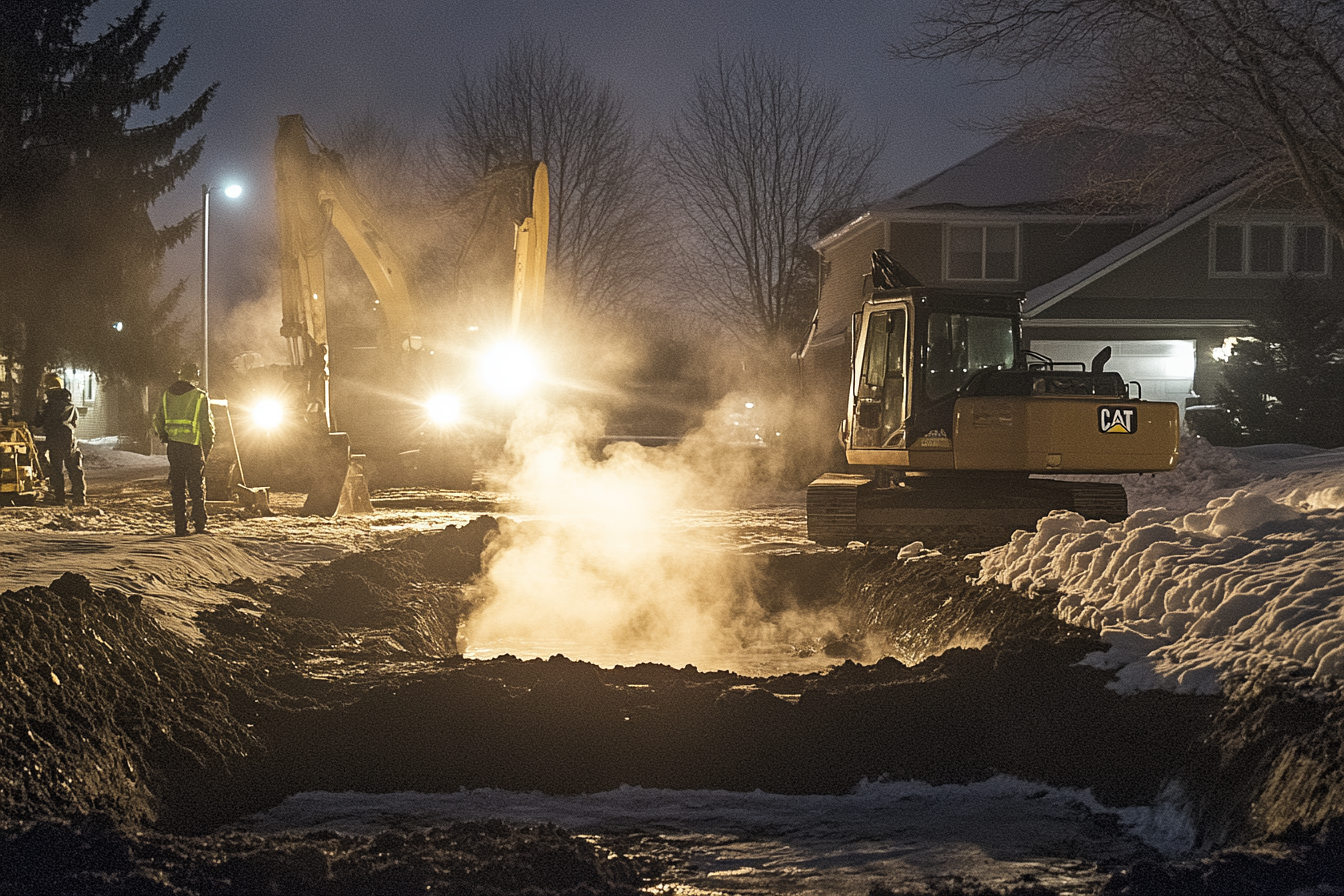
3. How Smart Contractors Reduce Emergency Risks Before They Happen
The best way to handle emergencies on a construction site is to prevent them where possible. Before breaking ground, Maryland contractors and property owners should insist on:
– Utility mapping and verification: Don’t rely on guesswork or outdated drawings. Confirm sewer mains, laterals, water lines, and hydrant connections before excavation begins.
– Condition assessments: For infill or redevelopment projects, inspect existing utilities early. A fragile clay sewer main or corroded water service near your work zone is a ticking clock.
– Proper shoring and plating: In active traffic areas or pedestrian zones, professionally installed shoring and plating protect both excavations and the public—and help you avoid liability.
– Storm and groundwater management: Temporary drainage, dewatering plans, and erosion controls designed for Maryland’s weather prevent washouts and sinkholes.
These preventative steps don’t just protect your schedule; they show clients, tenants, and municipalities that your construction operation is responsible, safe, and built to last.
4. When Minutes Matter: What an Effective 24-Hour Response Should Look Like
If a sewer line collapses beneath a developing commercial center in Edgewood at night, or a construction vehicle shears a hydrant in a busy corridor, you need more than a voicemail box. A truly reliable emergency service partner should offer:
– Live, local response—no call centers that don’t know Maryland
– Rapid on-site mobilization with the right excavation, pumping, and safety equipment
– Temporary bypass solutions to keep your project or tenants operational
– Safe demolition, trenching, and pavement replacement when needed
– Clear documentation for your records, insurers, and inspectors
This level of responsiveness can be the difference between a contained incident and a headline-grabbing failure that stalls your construction and strains community relationships.
5. Why Maryland Businesses and Developers Should Plan Their Emergency Contacts Now
Whether you manage a shopping center in Edgewood, oversee multi-family construction near Aberdeen Proving Ground, or run a local business expanding its footprint, having a dedicated sewer and water emergency partner in place is simply smart risk management.
Create an emergency utility playbook that includes:
– Site-specific shutoff locations
– After-hours decision makers and contact tree
– Pre-approved 24/7 sewer and water contractor
– Basic incident checklists for staff and supers
Share it with your field teams, tenants, and key stakeholders so no one is guessing when something goes wrong.
Learn More and Be Prepared
Local expertise matters when it comes to keeping Maryland construction projects safe, compliant, and on schedule. For a deeper look at available support options, response capabilities, and services tailored to commercial properties, municipalities, and contractors, visit our main Commercial 24 Hour Emergency Services page.
If you are planning or managing construction anywhere in Central or North Eastern Maryland and want a reliable 24/7 sewer and water partner on call, reach out today or call 443-504-2988 to discuss how emergency planning can be integrated into your next project before you ever break ground.