Discover how trenchless sewer repair keeps local stormwater systems efficient without tearing up your property
Commercial and multifamily properties across central and northeast Maryland are discovering that trenchless sewer repair is the unsung hero of dependable water management. Whether you manage a Bel Air business park built in the 1980s or a downtown Baltimore mixed-use tower, subsurface pipes face relentless pressure from root intrusion, freeze-thaw cycles, and aging joints. Traditional dig-and-replace methods can upend landscaping, parking revenue, and even local permitting schedules. Trenchless technologies provide a faster course of action that keeps tenants happy and stormwater runoff under control.
Think about what happens when a failing lateral intersects with your stormwater best management practices (BMPs). If a corrugated metal pipe crumbles under a detention pond, the sediment surge can compromise bio-swales and wetlands you’ve invested heavily to maintain. A targeted trenchless sewer repair—such as cured-in-place lining that seals cracks from manhole to manhole—contains the problem without draining the pond or importing tons of fill. That keeps your compliance documentation intact when county inspectors arrive.
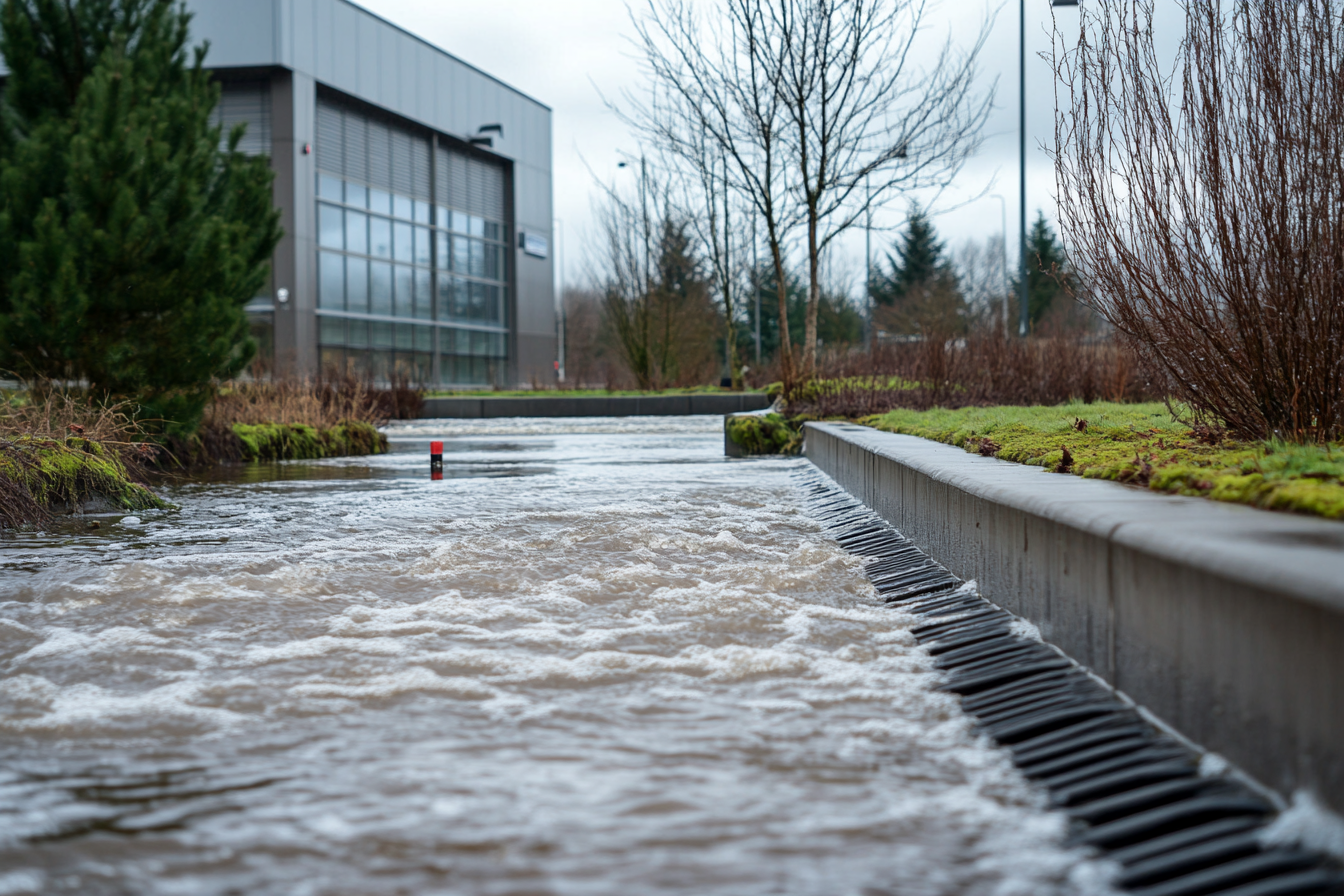
Modern diagnostics are the cornerstone of every successful trenchless sewer repair plan. High-definition CCTV crawlers, acoustic leak detection, and GIS-based mapping let technicians pinpoint the exact joints that are siphoning groundwater into sanitary lines or exfiltrating wastewater toward storm drains. In Harford and Anne Arundel Counties, where clay soils shift dramatically after heavy rains, data-driven decisions eliminate guesswork and help budget committees understand why a no-dig solution often costs less over five years than repeated spot digs.
Once the inspection report is in hand, Maryland property owners can blend multiple trenchless strategies. For example, a retail plaza off Route 40 might choose pipe bursting to upsize a constricted 6-inch vitrified clay lateral to an 8-inch HDPE line, ensuring the downstream stormwater vault never experiences surcharge. Meanwhile, CIPP lining can be applied to stabilize drop assemblies feeding retention ponds, creating a watertight barrier that prevents nutrient-rich seepage from entering Chesapeake Bay tributaries.
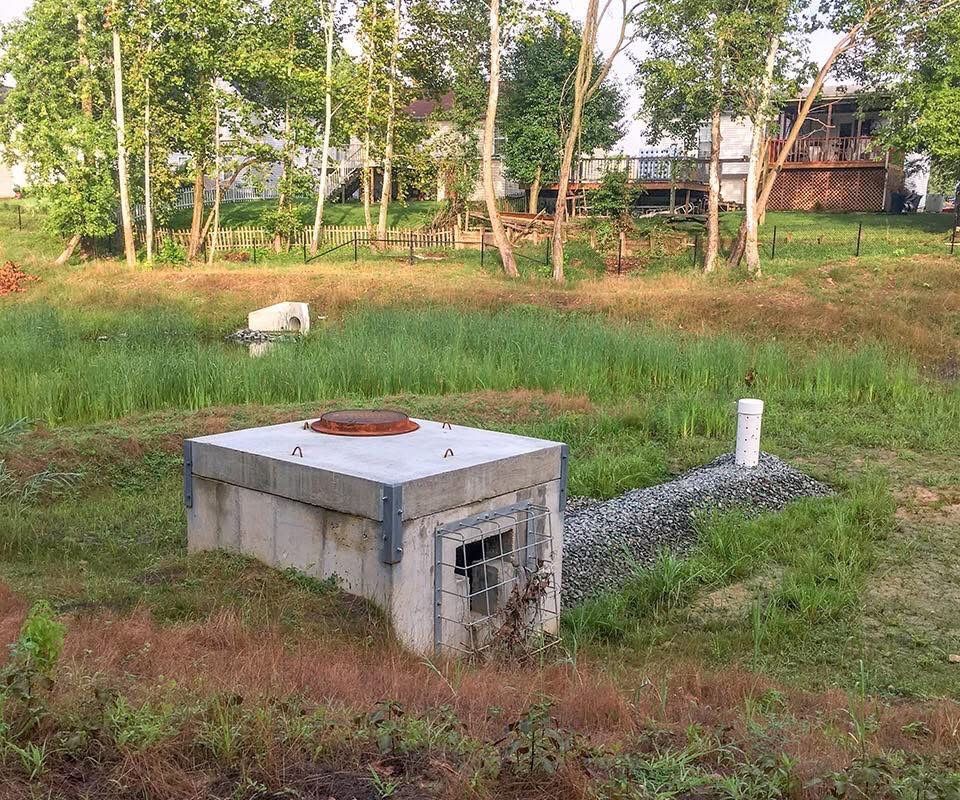
Residential communities benefit as well. HOAs in Columbia or Perry Hall often juggle french drains, underdrains beneath walking paths, and sanitary laterals serving clubhouses. Coordinating trenchless sewer repair with routine stormwater maintenance means fewer disruptions to residents and eliminates the risk of open trenches near playgrounds. Plus, line rehabilitation can be scheduled alongside seasonal slope mowing or dredging work to streamline vendor mobilization, cutting redundant trucking fees.
Scheduling doesn’t stop at repairs. Preventive care keeps the return on investment strong. After a trenchless sewer repair, plan for annual camera inspections, debris jetting before hurricane season, and quick-response vacuum service when leaf drop overwhelms inlets. Document every visit so you can hand inspectors a clear maintenance log; this level of diligence is especially important for properties inside Baltimore City’s MS4 zone, where stormwater permits include strict recordkeeping requirements.
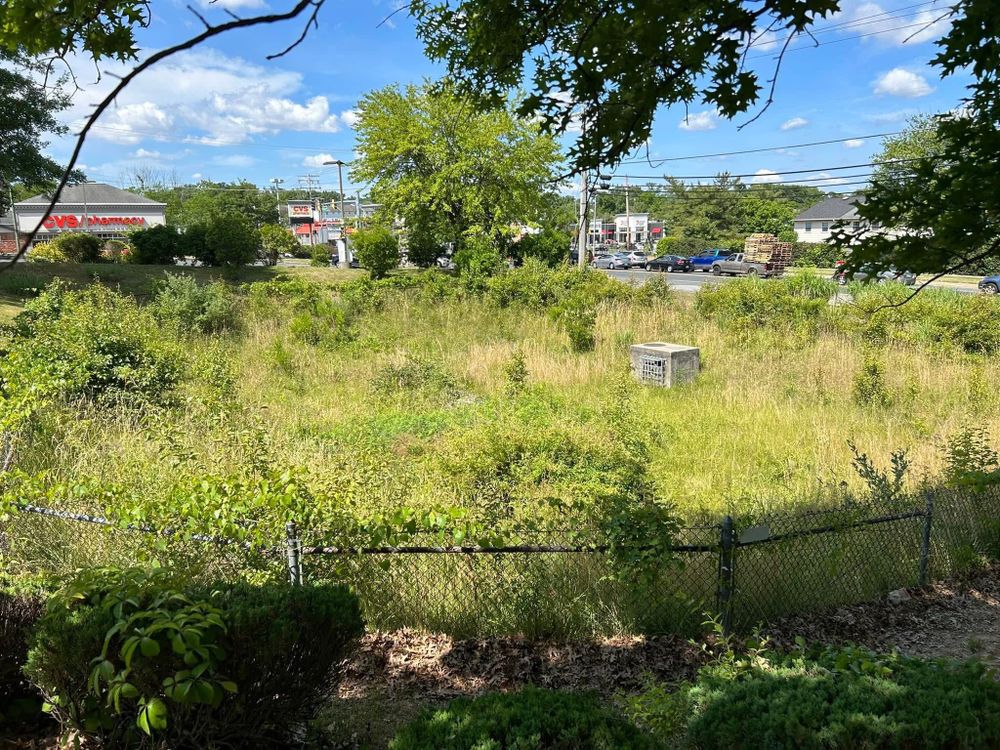
Emergency readiness is another reason trenchless sewer repair has become a go-to solution. When a sudden sinkhole appears in a loading dock or a January freeze pops a force main, local crews can deploy slip-lining or sectional point repairs overnight, protecting tenants and keeping deliveries on schedule. Having a 24-hour contact like (443)-903-9018 programmed into your facility plan ensures you’re never scrambling for help when a storm rolls in from the bay.
If you’re still weighing options, compare service providers by their ability to integrate stormwater BMP expertise with trenchless sewer repair know-how. Look for teams that can discuss sediment and erosion control, confined-space safety, and vacuum excavation in the same conversation as resin curing times. For more details, visit our main Commercial Stormwater Management page.
Ready to reinforce your property’s underground lifelines without disrupting daily operations? Call (443)-903-9018 to schedule a site walk and receive a trenchless sewer repair plan tailored to your Maryland facility’s stormwater priorities.