Protect Your Property from Hidden Moisture Threats with Expert Waterproofing Basement Walls Solutions
Living or operating a business in Waterproofing basement walls means embracing the charm of the region—but also contending with its unique weather challenges. From heavy spring rains to summer humidity and winter freeze-thaw cycles, the climate here places constant stress on foundations. That’s why Waterproofing basement walls isn’t just a home improvement project—it’s a critical defense strategy against structural damage, mold growth, and costly repairs down the line.
Many property owners in Waterproofing basement walls assume that if their basement hasn’t flooded, it’s fine. Unfortunately, moisture doesn’t always announce itself with puddles. It seeps in silently through hairline cracks, porous concrete, or compromised joints, leading to efflorescence (those white chalky stains), musty odors, warped flooring, and even respiratory issues for occupants. Over time, unchecked moisture can weaken foundation walls, inviting bowing, cracking, and even structural failure.
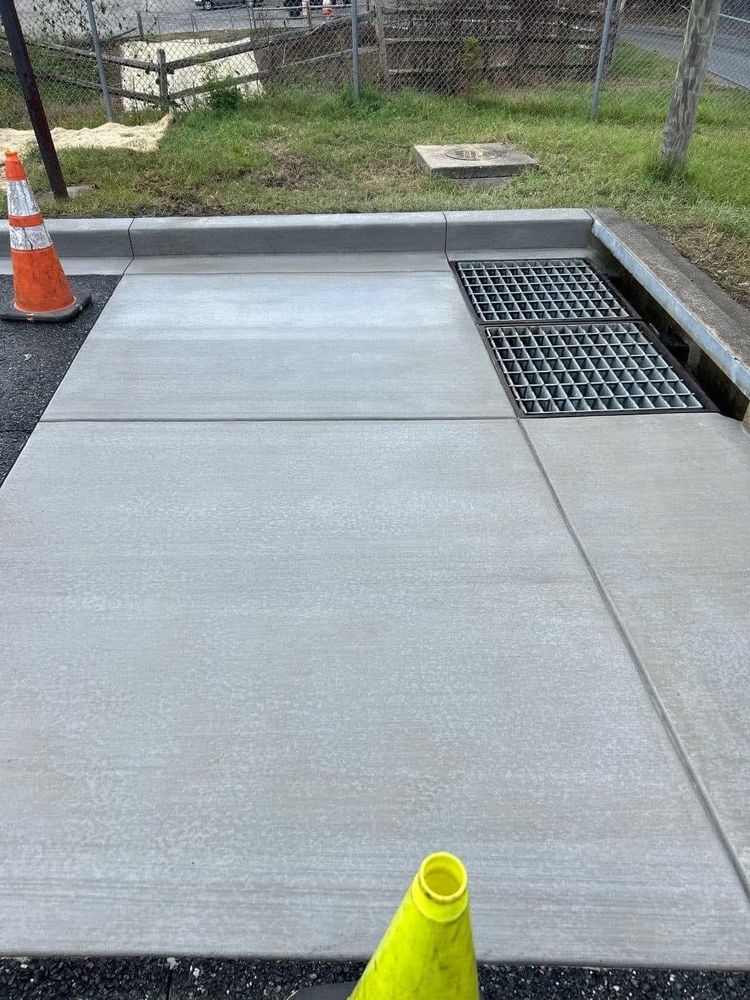
One of the most effective approaches to Waterproofing basement walls is the installation of interior drain tile systems—also known as French drains. These systems are strategically placed beneath the basement floor along the perimeter of the foundation, capturing groundwater before it enters your space and channeling it safely to a sump pump. In Waterproofing basement walls, where clay-rich soils retain water and seasonal rainfall can be intense, this solution is especially vital for long-term protection.
For commercial properties—such as retail centers, office buildings, or industrial facilities in Waterproofing basement walls—the stakes are even higher. Water intrusion can disrupt operations, damage inventory, violate health codes, and lead to insurance complications. That’s why tailored, commercial-grade waterproofing systems are essential. Exterior solutions like exterior drain tile and waterproof membranes applied directly to foundation walls help relieve hydrostatic pressure, which is a common culprit behind wall cracks and leaks in this region.
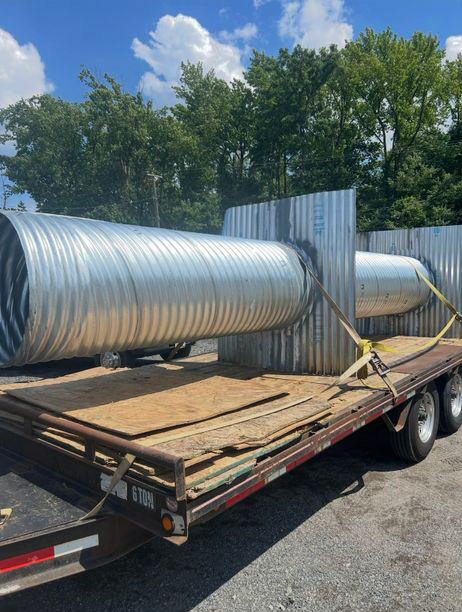
It’s also worth noting that Waterproofing basement walls isn’t just about drains and barriers. Comprehensive assessments should include evaluating grading around your property, downspout extensions, and gutter efficiency—all of which influence how water flows toward or away from your foundation. In older neighborhoods across Waterproofing basement walls, outdated landscaping or settling soil can redirect water exactly where you don’t want it: toward your basement walls.
When choosing a contractor for Waterproofing basement walls, look for local expertise. A company familiar with the geology, building codes, and weather patterns of Waterproofing basement walls will design solutions that address not just symptoms, but root causes. At Shoreline Sewer & Water, we’ve helped countless homeowners and businesses in the area implement durable, code-compliant waterproofing systems that stand up to Maryland’s demanding climate year after year.
Don’t wait for a full-blown flood to take action. Early intervention can save thousands in repairs and preserve your property’s value. Whether you’re noticing damp spots, peeling paint, or just want peace of mind, professional waterproofing is a smart, proactive move.
For more details, visit our main Commercial Drainage / Waterproofing page.
If you’re in Waterproofing basement walls and concerned about moisture in your basement—residential or commercial—call Shoreline Sewer & Water today at (443)-903-9018 for a free, no-obligation evaluation. Let our experts help you keep your foundation dry, safe, and structurally sound for decades to come.