How proactive drainage management spares your commercial property from emergency sewer repair and rising repair bills across the Shoreline region
Business owners along Maryland’s tidewater zones—from the marinas of Annapolis to the bustling storefronts of Salisbury—know that weather often drives the bottom line. Yet what many overlook is the quiet, underground battle waged every time stormwater surges. At the center of that fight sits your commercial drainage system, and when it falters, the path to an all-too-familiar sewer repair nightmare opens wide. At Shoreline Sewer & Water, we’ve watched seemingly mild drainage hiccups evolve into collapsed lines, flooded basements, and emergency call-outs that could have been avoided with the right commercial drainage strategy.
Instead of waiting for a catastrophic backup, the savviest property managers in our service area are shifting focus upstream—literally—to the connection between surface water management and what flows into their sewer laterals. A well-designed commercial drainage plan doesn’t just keep your parking lot free of puddles; it shields the entire plumbing infrastructure from hydraulic overload that accelerates sewer repair cycles. Let’s unpack why this relationship matters so much and what you can do now to protect your investment.
Why Drainage Dictates Your Sewer Health
Most commercial properties rely on a network of catch basins, area drains, and trench drains to whisk away rainwater. Those inlets are often directly tied to combined or storm-separated systems that connect to municipal sewers. When leaves, silt, and debris choke a catch basin or a downspout sends roof runoff straight toward a compromised cleanout, the sewer main becomes the emergency release valve. That’s when you hear the three words every facility manager dreads: “You need sewer repair.”
In our coastal climate, where nor’easters and summer thunderstorms can dump inches in hours, the risk multiplies. Soil saturation pushes groundwater against aged pipe joints, and if your drainage isn’t carrying the load, hydrostatic pressure forces cracks open. A quick inspection of a single damaged joint may lead to a localized patching job, but the root cause remains the overwhelmed drainage network upstream. By mapping both your drainage assets and your sewer runs, you can identify which catchments are silently stressing your buried pipes.
The Commercial Drainage Audit: A Preemptive Strike
Think of a drainage audit as physical therapy for your property’s underground system. We start at the roof—checking scuppers, internal roof drains, and overflow paths—then move to grade-level structures, including trench drains in loading docks, oil-water separators, and sub-surface detention systems. In many commercial kitchens and food-processing facilities, grease interceptors add another layer; if drainage slows there, the sewer line backs up fast, turning a simple maintenance item into a full sewer repair job.
Tailoring Solutions to Maryland’s Coastal Business Zones
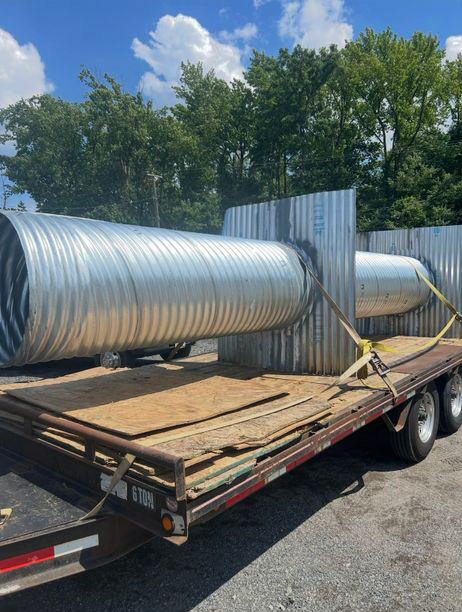
Shoreline Sewer & Water has worked in historic downtowns with century-old brick sewers, modern retail strips with shallow utility corridors, and industrial parks built on fill that settles unevenly. Each scenario demands a different drainage prescription. In Annapolis’ tight historic districts, for example, replacing a collapsed lateral often requires hand-digging to protect adjacent utility lines—a process that becomes more expensive if drainage water has been softening the surrounding soil for years. Redirecting a downspout or installing a new sub-surface dry well can relieve that pressure long before a sewer repair crew ever needs to mobilize.
For businesses in low-lying zones near the Chesapeake Bay, backflow prevention is equally critical. Drainage systems that rely on gravity often fail during high tide events, allowing brackish water to intrude into sewer laterals. This accelerates internal corrosion and triggers root intrusion as nearby trees chase the salty moisture. A comprehensive commercial drainage solution here isn’t just about moving water; it’s about designing redundancy—check valves, pump stations, and overflow retention—so you’re not calling for sewer repair after every king tide.
Practical Steps Every Business Can Take Today
1. Map your inlets and outfalls. Document every catch basin, grate, and drain on your property. Note where they discharge and whether that discharge enters a public sewer or a separate storm system. If you’re unsure, a dye test can reveal illegal connections that may be stressing your sewer.
2. Clean before the leaves fall. Schedule a vac-truck cleaning of all storm structures in late summer and again after the last autumn drop. Debris blocking a single basin can divert sheet flow directly over a sewer cleanout cap, eroding the soil and cracking the riser.
3. Inspect after heavy storms. Walk the property within 24 hours of a significant rain. Look for soggy patches, new cracks in pavement, or a lingering sewage odor—all red flags that your drainage isn’t holding and your sewer is under siege.
4. Invest in a video inspection pairing. Request a camera scoping of both your sewer lateral and your main storm culverts simultaneously. Seeing them side by side often reveals exactly where stormwater is infiltrating the sanitary side, a condition that, left untreated, makes sewer repair inevitable.
The Long-Term ROI of Integrated Drainage and Sewer Care
Business owners who treat drainage as a standalone expense miss the bigger financial picture. The cost of a proactive drainage improvement—say, installing a new trench drain across a loading dock—often runs a fraction of what a single emergency sewer repair costs once floodwater and sewage compromise inventory, disrupt operations, and trigger health code violations. In a region where reputation and reliability define your brand, a preventable sewer failure can be more damaging than a down season. That’s why more than a few commercial clients across Maryland’s Eastern Shore have integrated annual drainage maintenance with their scheduled plumbing service after seeing how tightly the two are linked.
From the boardwalk businesses in Ocean City to the professional offices in Easton, the message is the same: a dry basement and a drama-free sewer line aren’t accidents. They’re the result of intentional, well-engineered drainage that respects the unique hydrology of our shoreline region. If your property’s drainage hasn’t been evaluated in years—or you’re noticing recurring clogs, slow drains, or wet spots after even moderate rain—the window to act before a major sewer repair is closing fast.
For more details, visit our main Commercial Drainage Solutions page. When you’re ready to turn your focus from reactive repairs to lasting resilience, our team is available 7 days a week at (443)-903-9018 to schedule a comprehensive drainage and sewer assessment tailored to your commercial property’s needs.