What Every Homeowner and Business Owner Needs to Know About Sewer Inspection Before and After Grading Projects
When most property owners think about land grading, they picture smooth lawns, proper drainage, and curb appeal. But there’s a hidden connection that rarely gets the attention it deserves—the relationship between the soil beneath your feet and the sewer lines buried below. A comprehensive sewer inspection might be the last thing on your mind when planning a grading project, yet skipping this critical step can lead to disastrous consequences that undo all your hard work and investment.
At Shoreline Sewer & Water, we’ve seen firsthand how improper grading—or grading done without prior sewer inspection—can compromise underground infrastructure. Whether you’re preparing a residential lot for new construction, correcting a sloped yard that sends water toward your foundation, or leveling land for a commercial development, understanding what lies beneath the surface is not just smart—it’s essential.
The hidden danger is straightforward: heavy machinery used during grading operations—bulldozers, skid steers, compactors, and excavators—exerts tremendous ground pressure. When that pressure is applied over aging, compromised, or shallow sewer laterals, the results can be catastrophic. Cracked pipes, collapsed lines, dislodged joints, and crushed connections are all common outcomes when grading proceeds without a professional sewer inspection first identifying the exact locations and depths of underground utilities.
But the relationship goes both ways. Even if your sewer lines survive the grading process unscathed, the new slope and surface contours of your property will permanently alter how water flows across the land. A grading plan that looks flawless on paper can inadvertently direct surface water toward sewer cleanouts, manhole covers, or foundation drains—creating infiltration problems that may not surface for months or even years. This is precisely why a thorough sewer inspection after grading is equally important, allowing technicians to verify that lines remain intact and properly positioned.
One of the most overlooked aspects of property drainage involves the interaction between surface runoff and subsurface sewer infrastructure. When heavy rains saturate newly graded soil, hydrostatic pressure builds around buried pipes. If those pipes were already weakened by age, tree root intrusion, or previous ground movement—conditions a camera-based sewer inspection would reveal—the added pressure from saturated, freshly disturbed soil can be the tipping point that causes a full collapse.
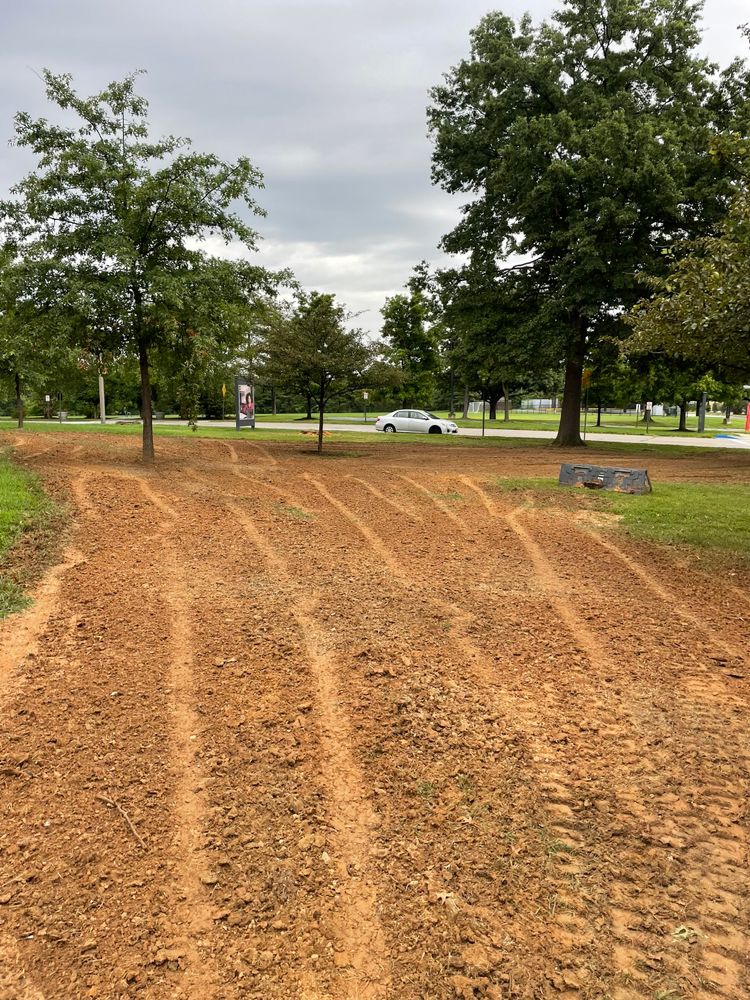
So, what should property owners do before breaking ground on any grading project? The answer begins with scheduling a camera-based sewer inspection that maps the entire lateral line from the structure to the municipal connection or septic tank. This visual assessment identifies material type, depth, condition, and any existing vulnerabilities. Armed with this information, grading contractors can adjust their approach—avoiding heavy equipment directly above fragile sections, deepening coverage where pipes are shallow, or recommending pipe replacement before the dirt ever moves.
After grading is complete, a follow-up inspection provides peace of mind. Using the same high-resolution camera technology, technicians can verify that every joint remains sealed, no new cracks have formed, and the line still maintains proper slope for gravity-fed flow. This before-and-after protocol is especially valuable for commercial properties, where a sewer failure can mean business interruption, health code violations, and expensive emergency excavation through freshly landscaped grounds.
For homeowners across the region, the combination of expert grading and diligent sewer inspection represents the gold standard of property protection. It’s not merely about moving dirt or capturing pretty camera footage—it’s about safeguarding the unseen infrastructure that your daily life depends on. Every flush, every shower, every load of laundry travels through lines that deserve the same care and attention as the visible portions of your property.
The investment in a professional sewer inspection before and after grading is minimal compared to the cost of emergency excavation, pipe replacement, and landscape restoration. When you consider that a single sewer line collapse can easily run into the tens of thousands of dollars, the value proposition becomes crystal clear. Advanced planning and thorough inspection aren’t expenses—they’re insurance policies written in foresight and expertise.
Whether you’re a homeowner planning to correct a perpetually soggy backyard or a developer preparing multiple lots for construction, the principle remains the same: what you cannot see can absolutely hurt you. The professionals at Shoreline Sewer & Water bring decades of combined experience to every project, ensuring that your grading work enhances your property without compromising the critical systems running beneath it.
For more details about comprehensive site preparation and drainage solutions, visit our main Grading Services page. And when you’re ready to protect your property from the ground down—with expert grading backed by thorough sewer inspection—call the team that’s available seven days a week at (443)-903-9018. Your sewer lines will thank you for the attention, and your property will stand stronger for generations to come.