Why Commercial Properties in Sewer Can’t Afford to Ignore Underground Infrastructure
When you run a business in Sewer, you have a million things on your plate. Inventory management, staffing, customer satisfaction—these daily concerns naturally take center stage. But there’s one critical system operating silently beneath your feet that rarely gets the attention it deserves until something goes catastrophically wrong: your commercial sewer and drainage infrastructure. For businesses throughout Edgewood, MD and the greater Sewer area, proactive utility management isn’t just a maintenance checkbox—it’s a fundamental business continuity strategy that can mean the difference between a minor inconvenience and a devastating operational shutdown.
Shoreline Sewer & Water has spent years serving commercial and industrial clients across Howard County, Anne Arundel County, and the entire Northeast Maryland region. Time and again, our team encounters business owners who wish they had addressed sewer issues before they escalated into emergencies. The reality is that commercial sewer systems face exponentially more stress than residential ones. Restaurants contend with grease accumulation. Manufacturing facilities deal with chemical byproducts. Multi-tenant office buildings manage waste volume that would overwhelm a residential system in hours. In Sewer’s thriving commercial districts, these challenges are compounded by aging infrastructure and seasonal weather patterns that test even well-maintained systems.
What many property managers in Sewer don’t realize is that commercial sewer problems rarely announce themselves with dramatic flair. Instead, they send subtle signals that are easy to dismiss until the damage is done. Slow-draining sinks that your staff has learned to work around. Unusual odors that come and go depending on the weather. Patches of unusually lush grass in your landscaping—often a telltale sign of an underground leak providing unintended irrigation. Gurgling sounds from floor drains when toilets are flushed elsewhere in the building. Each of these symptoms represents your sewer system trying to communicate before a full-scale failure occurs. Ignoring them in a commercial setting isn’t just inconvenient; it can trigger health code violations, regulatory fines, and lost revenue that far exceeds the cost of preventive maintenance.
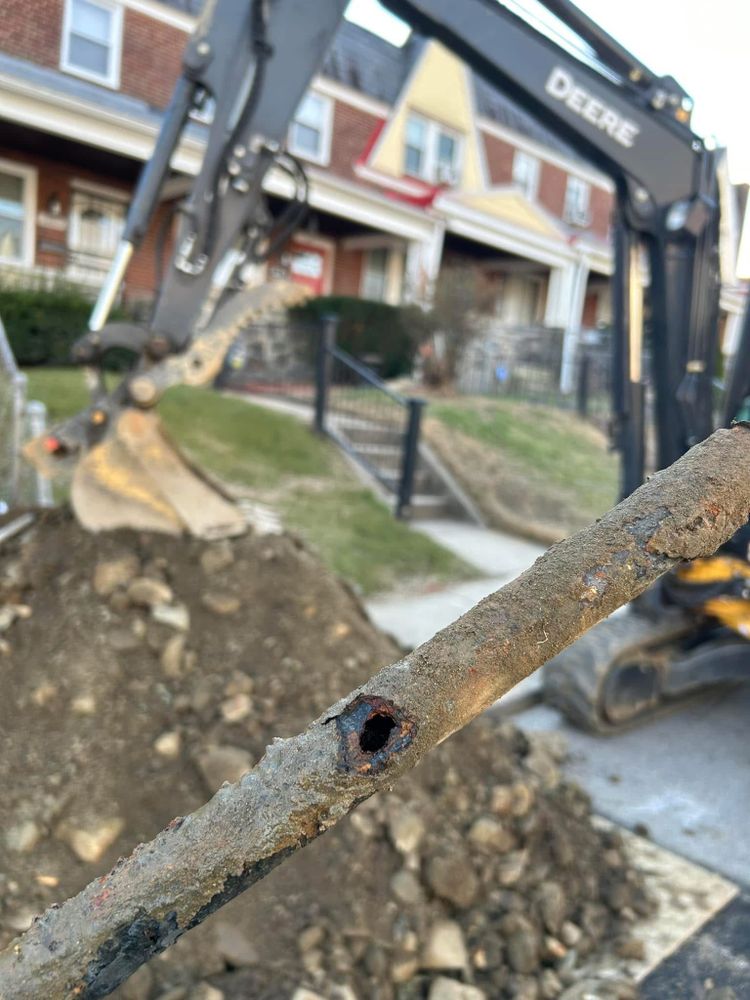
The industrial sector in Sewer faces its own unique set of challenges. Manufacturing processes, food processing facilities, and warehouse operations with heavy equipment washing stations all introduce substances into sewer lines that residential systems never encounter. Sediment buildup, chemical corrosion of pipe materials, and thermal stress from hot water discharge all accelerate infrastructure deterioration. A commercial kitchen that hasn’t had its grease trap properly maintained can send solidified fats, oils, and grease deep into the main sewer line, creating blockages that standard drain cleaning methods can’t address. That’s where heavy-duty utility solutions become essential—the kind of comprehensive commercial and industrial services that involve hydro-jetting at pressures exceeding 4,000 PSI, trenchless pipe repair technologies, and video inspection systems that can pinpoint problems without excavation.

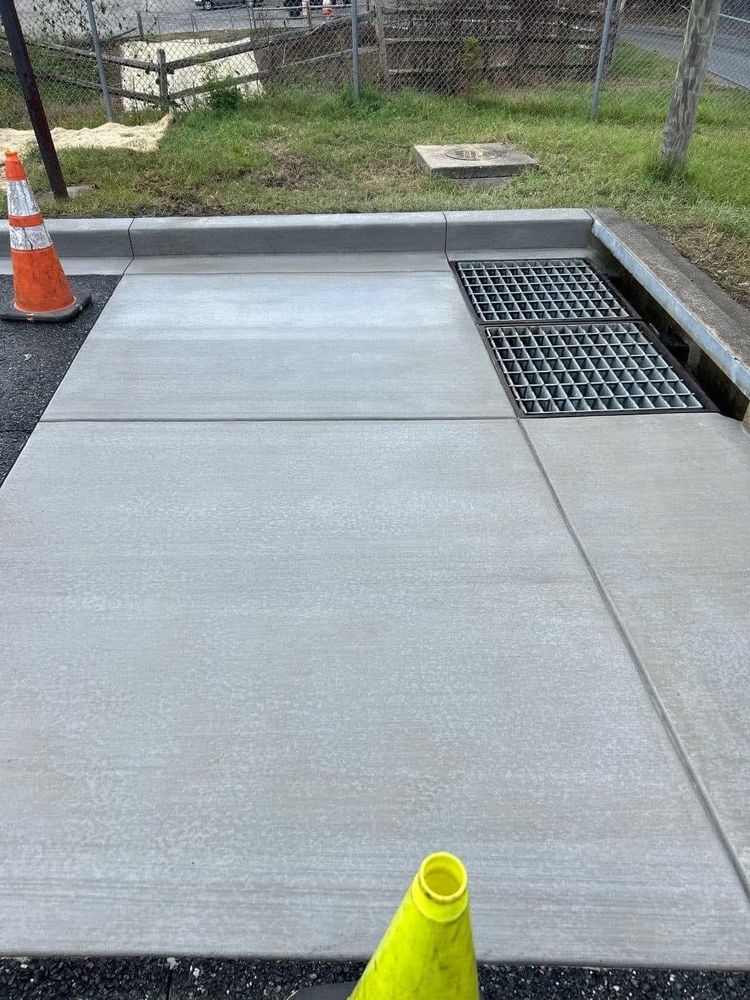
Stormwater management represents another dimension of commercial property responsibility in Sewer that often gets overlooked. When heavy rains hit the Northeast Maryland region, the difference between a property that handles stormwater effectively and one that doesn’t becomes immediately and expensively apparent. Parking lot flooding, foundation water intrusion, and overwhelmed drainage systems can halt business operations for days. Commercial properties have legal obligations to manage their stormwater runoff in compliance with environmental regulations. Properly designed and maintained catch basins, retention ponds, and storm sewer connections aren’t optional upgrades—they’re essential infrastructure that protects both your property and the broader Sewer community from flooding and erosion damage.
One of the most significant advancements in commercial sewer services over the past decade has been the rise of trenchless technology. For businesses in Sewer, this means major pipe repairs and replacements can often be completed without tearing up parking lots, landscaping, or flooring. Pipe lining and pipe bursting techniques allow technicians to rehabilitate or replace damaged sewer lines from within, using existing access points whenever possible. For a restaurant that can’t afford to close for a week of excavation work, or a retail center where torn-up pavement would drive customers away, trenchless solutions provide a path to comprehensive repairs with minimal operational disruption. This technology has transformed what used to be a nightmare scenario into a manageable project that can often be completed after business hours or during brief planned closures.
Preventive maintenance agreements have become the gold standard for smart commercial property management in Sewer. Rather than waiting for emergencies and paying premium rates for after-hours response, businesses that schedule regular sewer line inspections and cleanings enjoy predictable costs, priority service, and—most importantly—dramatically reduced risk of catastrophic failures. A video camera inspection once or twice a year costs a fraction of what emergency excavation work demands, and it provides documented evidence of your system’s condition for insurance purposes and regulatory compliance. Many commercial insurance providers now offer reduced premiums for properties that maintain documented preventive maintenance programs for their underground utilities.
Understanding the full scope of commercial sewer responsibilities helps property owners make informed decisions. Water main integrity, backflow prevention device testing, grease trap maintenance schedules, and storm drain cleanliness all form interconnected pieces of a complete utility management strategy. When one element fails, others often follow in a cascade of problems that multiplies repair costs. The most successful commercial property owners in Sewer view their underground infrastructure the same way they view their roof or HVAC systems—as critical assets requiring scheduled attention rather than reactive emergency response. This mindset shift alone saves thousands of dollars over the lifecycle of a commercial property while protecting the business operations that depend on reliable utility function.

The regulatory landscape adds another layer of complexity for Sewer businesses. Environmental Protection Agency guidelines, state-level Department of Environmental Quality requirements, and local municipal codes all impose obligations on commercial property owners regarding sewer connections, discharge quality, and stormwater management. Non-compliance isn’t just expensive—it can result in cease-and-desist orders that shut down operations entirely. Working with utility professionals who understand the specific regulatory environment in Howard County, Anne Arundel County, and throughout Northeast Maryland ensures your property remains compliant while avoiding the costly learning curve of navigating these requirements alone. The best time to verify your compliance is before an inspector shows up, not after.
For facility managers and business owners in Sewer wondering where to start, a comprehensive sewer system assessment provides the ideal foundation. This involves video inspection of all accessible lines, flow testing to identify restrictions, assessment of cleanout locations and accessibility, and evaluation of backflow prevention measures. The resulting report gives you a clear picture of your current system condition, identifies vulnerabilities before they become emergencies, and provides a prioritized roadmap for addressing issues based on urgency and budget considerations. Whether you operate a single restaurant location or manage a portfolio of commercial properties across the region, this knowledge empowers better decision-making and more accurate budgeting for capital improvements.
If you’re ready to take control of your commercial property’s underground infrastructure, Shoreline Sewer & Water provides the heavy-duty utility solutions that Sewer businesses depend on. Our team brings the equipment, experience, and expertise to handle projects of any scale—from routine maintenance to complete system replacements. For more details, visit our main Commercial Industrial Services page. When you’re facing a sewer challenge or simply want to establish a preventive maintenance program for your commercial property, call us at (443) 903-9018. We serve businesses throughout Edgewood, MD, Central Howard County, Anne Arundel County, and the entire Northeast Maryland region with 24/7 emergency availability and the comprehensive capabilities that commercial and industrial clients require. Don’t wait for your sewer system to demand attention at the worst possible moment—take control of your underground infrastructure today.